
Grushenka’s Onion and the Chance to Change
The Brothers KaramazovThis flow traces how Grushenka’s remembered act of kindness becomes a compact image of human frailty, mercy, and the possibility of spiritual renewal.
increasing Bearing strength in each event
 decreasing
Bearing strength in each eventdecreasingThe Story Remembered
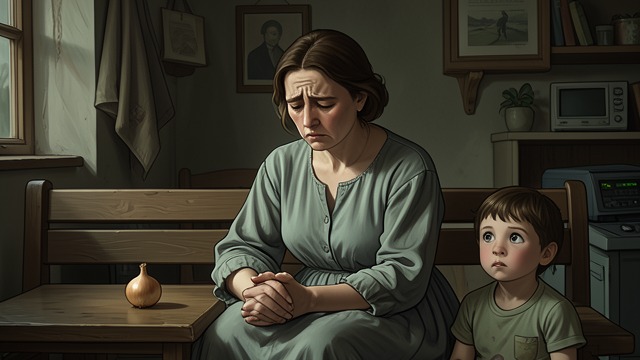
One small good deed
A childhood tale
Grushenka recalls the story of a wicked woman whose guardian angel can remember only one good deed: giving an onion to a beggar. The onion becomes a fragile opportunity for rescue.
A self-judgment
Grushenka identifies herself with the woman, saying she has done little good. Her confession turns a folk tale into a way of naming both shame and the wish to be forgiven.
An Onion Offered in Compassion

An answer without condemnation
Alyosha’s response
Alyosha does not praise Grushenka as a saint or condemn her as wicked. He recognizes the sincere kindness in her story and calls her a sister.
A turning point
The simple acknowledgment changes the encounter. Grushenka feels seen rather than judged, and Alyosha discovers that the person he feared can offer him compassion in his own hour of grief.
The Image Repeated
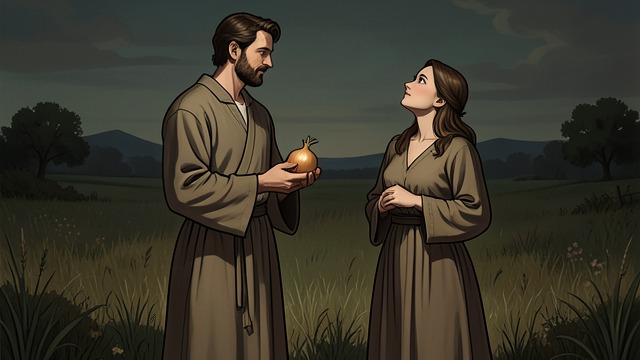
The gift remembered
A shared image
In Alyosha’s vision of the wedding at Cana, Zossima tells him that a single onion can matter and recalls the kindness shown to a hungry woman. The image links Grushenka’s act to the elder’s teaching.
Renewal through mercy
Alyosha awakens with a renewed commitment to love the earth and its people. The story suggests that small acts can become the beginning of a larger moral life.
Grushenka’s conversation with Alyosha during his crisis
the same night, after Grushenka’s confession
Alyosha’s vision at the end of Book VII
