
The Typhoon and the Limits of Knowledge
The Caine MutinyThe storm exposes the gap between manuals, forecasts, and the immediate practical knowledge required to keep a ship afloat.
increasing Bearing strength in each event
 decreasing
Bearing strength in each eventdecreasingA Forecast Without a Storm
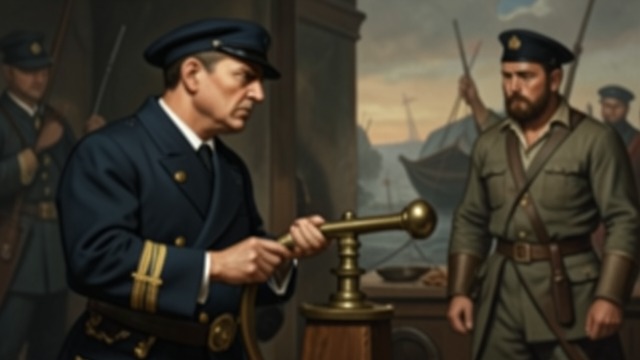
A Forecast Without a Storm
Confidence
Willie maintains a typhoon chart and assumes the clear plotted area means the Caine faces no storm.
Irony
The crew has regulations and data, but neither can guarantee complete knowledge of a changing ocean.
The Barometer Falls
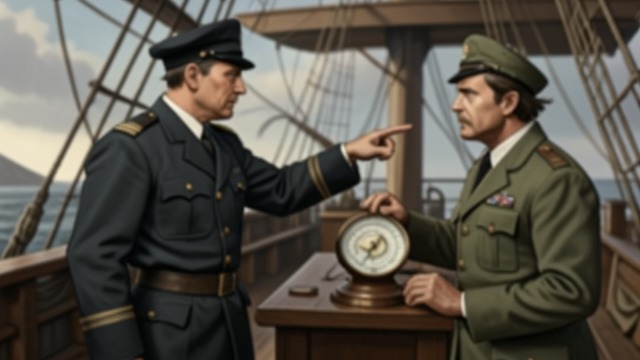
The Barometer Falls
Warning
The ship’s pressure drops and the wind shifts. Queeg questions Willie’s empty chart and has Maryk take over its maintenance.
Limits
The incident shows how useful measurements can be and how quickly they become entangled with suspicion and authority.
The Fleet Turns South
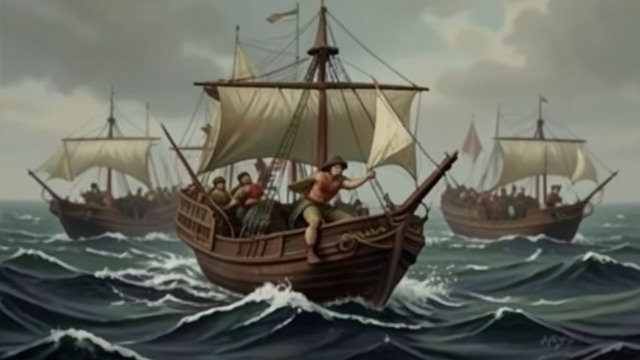
The Fleet Turns South
Maneuver
The fleet stops attempting to refuel and changes course to escape the storm. The new direction places the Caine under severe pressure from wind and sea.
Dilemma
A fleet order may help the formation as a whole while leaving individual ships facing different immediate risks.
The Wrecked Destroyer
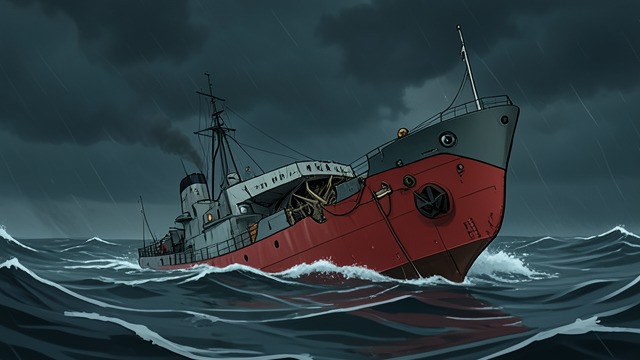
The Wrecked Destroyer
Evidence
The Caine encounters the red underside of a capsized destroyer, making the dangers of the storm physically undeniable.
Implication
The sight strengthens the case that the storm is not an ordinary test of endurance but an immediate threat to ships and crews.
A Ship Survives by Adaptation
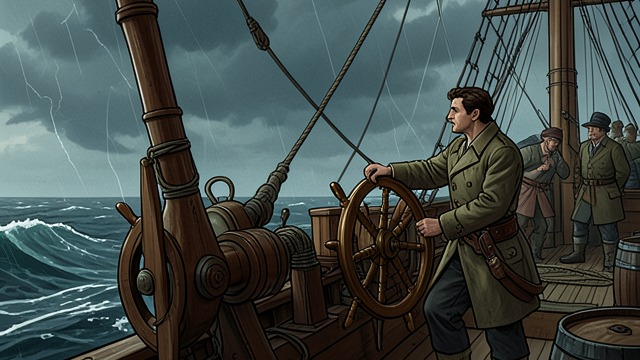
A Ship Survives by Adaptation
Practical Response
Maryk turns the Caine toward the wind, uses its engines and rudder together, and leads a search for survivors.
Significance
The storm’s lesson is not that any single doctrine is always correct, but that seamanship requires judgment when authoritative guidance runs out.
Before the tanker-screening assignment
The night before the storm’s worst effects
The morning the Third Fleet abandons refueling
During the typhoon’s central crisis
After the relief and rescue operation
