
The Contest over Inheritance
The Canterville GhostThis flow traces competing ideas of ownership as the family debates the jewels and later confronts the meaning of aristocratic inheritance.
increasing Bearing strength in each event
 decreasing
Bearing strength in each eventdecreasingGhost and Property
Ghost and Property
A calculated agreement
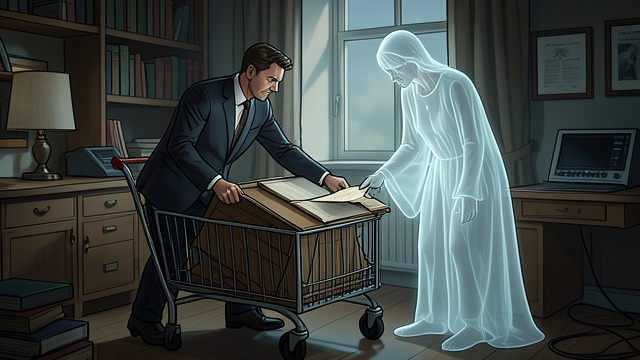
Hiram agrees to take the estate’s furniture and ghost at a valuation. His approach treats even the supernatural as potentially covered by a commercial transaction.
The old family’s caution
Lord Canterville offers a warning rather than attempting to keep the house. The sale moves inherited space into new hands without settling who owns its history.
The Casket’s Claim
The Casket’s Claim
A valuable gift
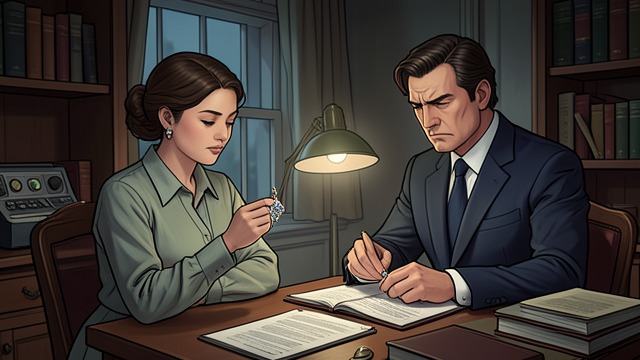
Hiram learns that the jewels Virginia received from Sir Simon are extraordinarily valuable. He reasons that they may properly belong to the Canterville family.
Gratitude against inheritance
Lord Canterville refuses to claim them, arguing that the gift belongs to Virginia. The dispute makes the jewels a test of whether family connection or personal gratitude defines rightful ownership.
The Estate’s Living Legacy
The Estate’s Living Legacy
An aristocratic future
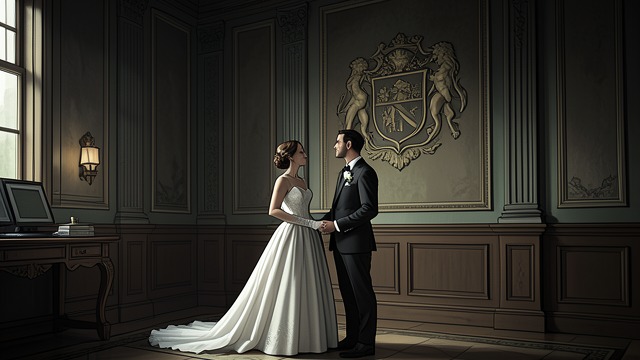
Virginia’s marriage to Cecil gives her a place within the social order that Hiram theoretically distrusts. The jewels and title connect her future to the estate’s inherited world.
Affection reshapes inheritance
The marriage is accepted because the couple love one another, not because a title alone settles the matter. The family’s legacy becomes a negotiated relationship rather than a simple transfer of rank or property.
At the original purchase
The morning after the funeral
At Virginia’s marriage
