
Redemption Through Compassion
The Canterville GhostThis flow explores how the story makes mercy possible without erasing the seriousness of Sir Simon’s crime.
increasing Bearing strength in each event
 decreasing
Bearing strength in each eventdecreasingA Murder Remembered

A Murder Remembered
The house names its crime
Mrs. Umney says Sir Simon murdered Lady Eleanore and that his guilty spirit still haunts the estate. The supernatural story begins with a specific act of violence, not an abstract curse.
A difficult moral inheritance
The stain preserves the crime in the family’s shared space, even as the new owners try to clean it away. The past demands attention before any resolution can be meaningful.
Sin Admitted, Not Excused
Sin Admitted, Not Excused
Sir Simon’s defense
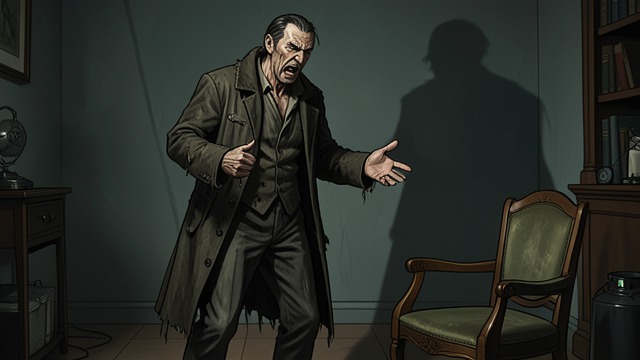
Sir Simon admits killing his wife but initially describes it as a family matter and complains about her failings. His manner reveals how readily pride can turn wrongdoing into self-justification.
Virginia’s moral clarity
Virginia answers that killing is wrong and does not allow his excuses to stand. Her later compassion therefore follows truthful recognition rather than innocence about his past.
Mercy and Release

Mercy and Release
A willing act of care
Virginia agrees to pray for Sir Simon and enters the dark passage with him. Her action responds to remorse and suffering without pretending that the past did not happen.
Forgiveness becomes visible
The blossoms and Sir Simon’s burial follow her intervention. The story links redemption to compassionate action, while leaving the crime itself plainly named.
On the family’s first evening
During the Tapestry Chamber encounter
During the hidden passage and afterward
