Love is stronger than death
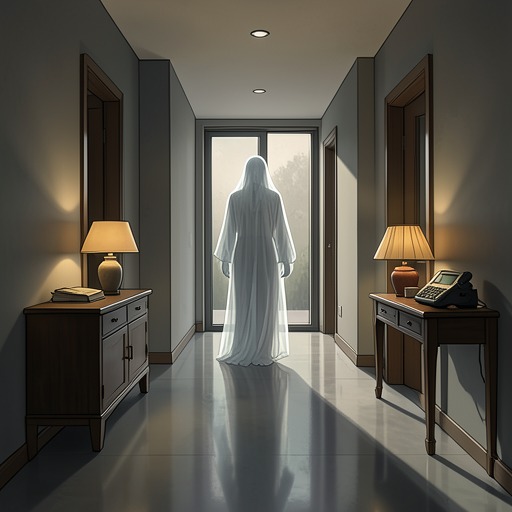
The Canterville Ghost“Love is stronger than death” is the principle that gives Virginia’s compassion its power to free Sir Simon de Canterville, and later becomes her account of what she learned from him. The expression joins love not merely to grief or affection but to release: Virginia’s presence offers Sir Simon a way beyond the death he longs for, while her encounter with him changes how she understands life and mortality.
The plea for release
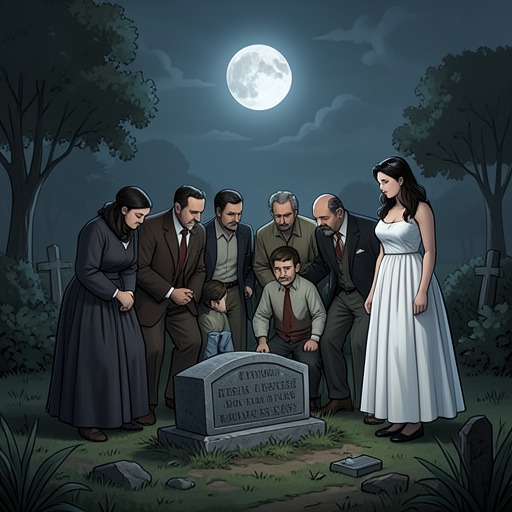
Sir Simon describes death as a state of peace: lying beneath soft brown earth, hearing silence, and having neither yesterday nor tomorrow. He asks Virginia to open “the portals of death’s house,” claiming that love is always with her and is stronger than death. The appeal turns his yearning for an end into a request that depends on another person’s compassion; release is not something he can achieve alone.
Virginia answers by naming the place he means as the Garden of Death. Her eyes fill with tears, and she hides her face in her hands. At Sir Simon’s words, she trembles and feels as though she has entered a terrible dream; silence falls before he speaks again in a voice compared to the sighing of the wind. The expression therefore arrives not as an abstract maxim but within a scene of fear, sorrow, and a plea for help.
What Virginia learns
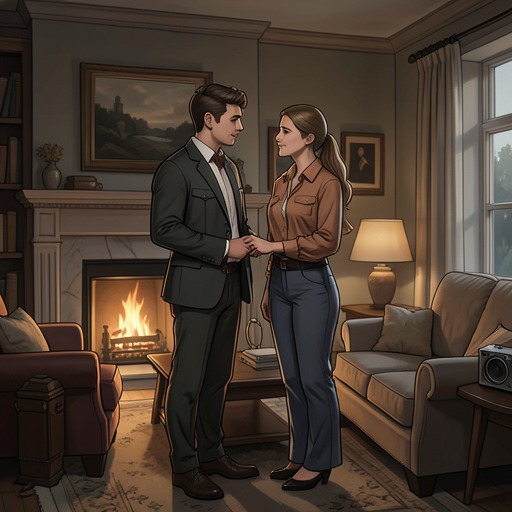
Later, Virginia tells Cecil that she cannot explain what happened because she owes Sir Simon a great deal. She insists that the encounter taught her what life is, what death signifies, and why love is stronger than both. The later formulation shifts the emphasis from Sir Simon’s claim that love can overcome death to Virginia’s broader account of love as a force that gives meaning to life and death alike.
Her refusal to disclose the secret preserves the experience’s privacy, even as she states its lasting consequence. Cecil accepts that boundary: he tells her she may keep her secret as long as he has her heart, then kisses his wife lovingly. The exchange places her inward knowledge beside the tenderness of her marriage without making her explain what she has chosen to keep unspoken.
Meaning in the story
The repeated expression connects Sir Simon’s desire for peace with Virginia’s later understanding of what she has witnessed. In the earlier scene, love is the condition that makes his passage possible; in the later one, it is part of the lesson she carries from him. The movement from plea to reflection gives the saying both an immediate consequence and a lasting meaning: compassion answers a suffering ghost, and the encounter leaves Virginia with a changed conception of mortality and human attachment.