The Garden of Death
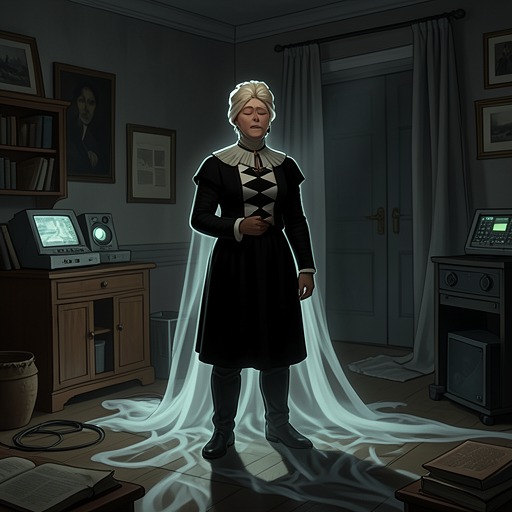
The Canterville GhostThe Garden of Death is the Ghost’s imagined place of final rest, described to Virginia as a moonlit garden beyond the pine-woods. More than a setting, it gives shape to his longing to leave a life without peace and becomes the landscape through which he asks her to help him reach death.
The Garden Beyond the Pine-Woods
The Ghost pictures a garden where grass grows long and deep, hemlock flowers show as great white stars, and a nightingale sings throughout the night. Above the sleepers, the cold crystal moon looks down while a yew-tree spreads its giant arms. The scene is composed of living natural forms, yet its quiet is inseparable from death: the sleepers lie beneath the grass, held within the shelter of the tree and the unbroken night.
The landscape’s slow, detailed unfolding delays the bluntness of the Ghost’s request. Instead of naming death at once, he first describes a place of song, moonlight, flowers, and shelter. Virginia recognizes the destination and names it the Garden of Death, turning his lyrical image into an explicit understanding of what he seeks.
Death as Rest
When Virginia identifies the garden, the Ghost confirms that he means death and describes it as beautiful. His account centers not on terror or punishment but on lying in soft brown earth beneath waving grasses, listening to silence, and escaping yesterday, tomorrow, time, and life. The garden is therefore a vision of release from temporal existence and a state of peace.
The details of the imagined place give this release a bodily and sensory form: earth above the sleeper, grasses moving overhead, and silence replacing the nightingale’s song. The vision holds together two registers, the garden’s rich natural life and the stillness of those who rest within it. Death is presented not as spectacle but as an end to the burdens of time.
Virginia’s Role in the Appeal
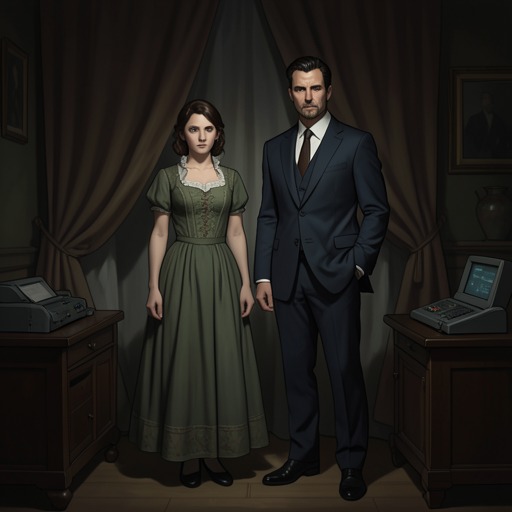
The Ghost tells Virginia that she can help him and links that request to her capacity for love. He asks her to open the portals of death’s house, insisting that love is with her and is stronger than death. The garden thus becomes part of a moral appeal: the peace he imagines is beyond his reach unless Virginia intervenes.
Virginia responds with tears, trembles, and falls silent for a few moments, feeling as if she were in a terrible dream. Her reaction registers the cost and gravity of the request even as the Ghost’s description makes his desired rest seem gentle. The image’s significance lies in this contrast: death is the Ghost’s release, but helping him reach it asks Virginia to confront fear and act through compassion.