
Baley’s Changing View of Earth
The Caves of SteelA detective who once treats Earth’s enclosed City as normal begins to perceive its costs and possibilities without ceasing to love its familiar life.
increasing Bearing strength in each event
 decreasing
Bearing strength in each eventdecreasingThe City as Home

The City as Home
A familiar world
Baley knows the expressways, kitchens, Sections, and routines of New York City through lifelong experience. The enclosed environment is not a prison to him but the necessary form of human life.
Medievalism held at a distance
He studies history but does not share Enderby’s simple nostalgia. The City’s efficiency seems preferable to an impossible return to the past.
His identity is rooted in a world he rarely questions.
The Window and the Rain

The Window and the Rain
Nature observed from indoors
Enderby shows Baley a window and the rain falling outside. Baley finds the exposure indecent and sees the water as a resource better directed to reservoirs.
A first admission
Despite his skepticism, Baley admits that the rain is impressive. The moment reveals that his rejection of open nature is partly unfamiliarity, not only reasoned opposition.
A brief sight unsettles his certainty about what a City needs.
The First Outdoor Air
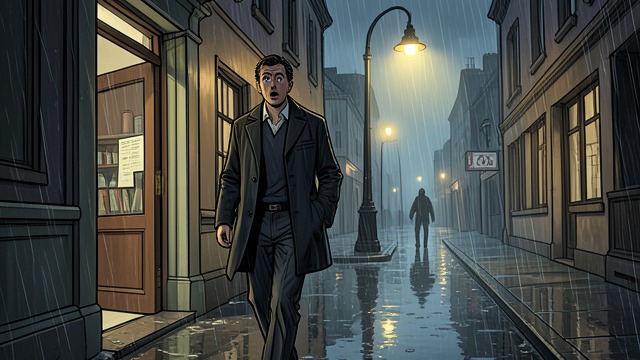
The First Outdoor Air
Discomfort at openness
Baley encounters unconditioned air and direct sunlight after passing the Spacetown admission procedure. The sensory experience makes him feel exposed and physically uncertain.
A new perception returns
When he later enters the City, he notices its smell as if for the first time. The experience changes his senses before it changes his conclusions.
The City is still home, but no longer invisible as an environment.
A Debate About Survival
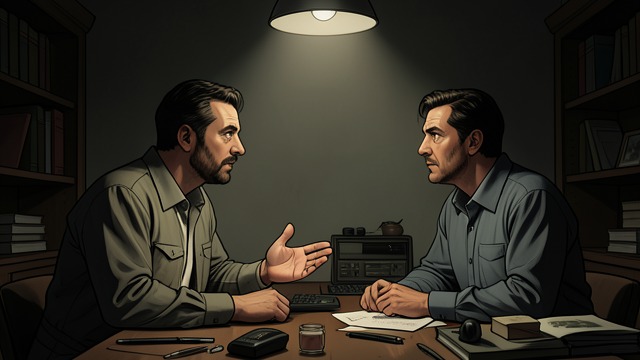
A Debate About Survival
City culture defended
Baley insists that Earth cannot simply return to farms because too many people depend on the Cities. He believes history moves forward, not backward.
The system questioned
Fastolfe argues that City dependence has become dangerous and that colonization is necessary. Baley resists the outsider’s judgment but starts imagining what a different world might offer.
His loyalty and doubt begin to coexist.
Home and Elsewhere
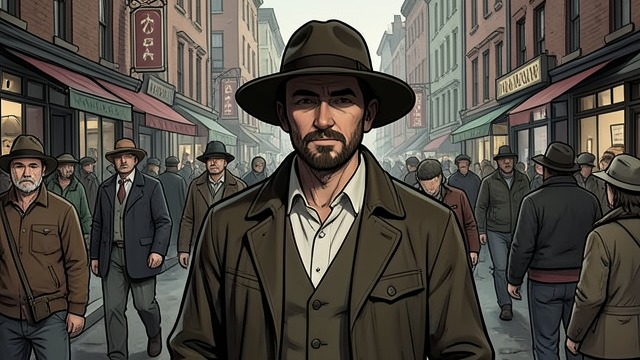
Home and Elsewhere
Familiar comfort reclaimed
Baley longs to return to Jessie and Bentley, and the noise and smell of the City remain comforting. Exposure to another way of life has not erased his attachment to home.
A new horizon accepted
He also asks about Bentley’s possible emigration and supports colonization as a future for Earth. Baley’s change is not a rejection of his origin but an expansion of what home might mean.
The character ends between rootedness and possibility.
At the opening, before Baley reaches Spacetown
During the opening conversation with Enderby
During Baley’s entrance into Spacetown
During Fastolfe’s account of Earth’s future
At the final departure from headquarters
