
Mucho’s Disappearing Self
The Crying of Lot 49Mucho’s sensitivity to ordinary suffering gives way to an LSD experience that broadens perception while dissolving his former sense of individual identity.
increasing Bearing strength in each event
 decreasing
Bearing strength in each eventdecreasingThe Used-Car Lot
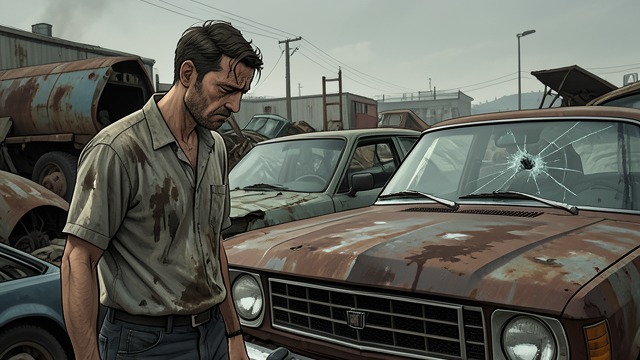
The Work That Wounded Him
Reading the trade-ins
As a used-car salesman, Mucho sees each vehicle as a battered extension of its owner’s life. The discarded objects inside become a painful archive of poverty, loss, and routine.
A crisis of belief
He cannot detach from the suffering he witnesses, and the work becomes intolerable. His later radio job offers distance, but does not erase the memories that have shaped him.
A Voice on the Radio
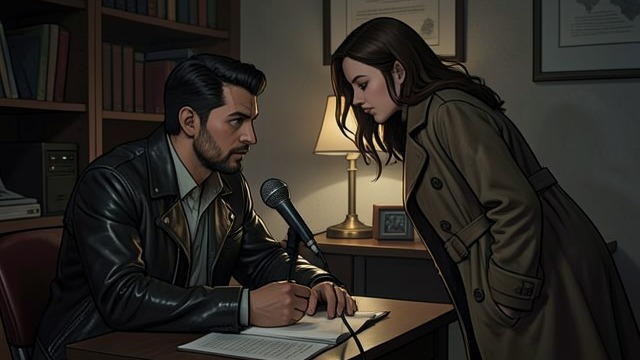
The Disc Jockey’s Defeat
A new professional distress
Mucho tells Oedipa that his program director wants to edit his conversations with callers. He sees the demand as censorship and feels powerless within a job he does not believe in.
Unequal comfort
Oedipa tries to reassure him while needing help herself. Their conversation shows how both partners carry private crises that they cannot fully share.
The Drug Offer
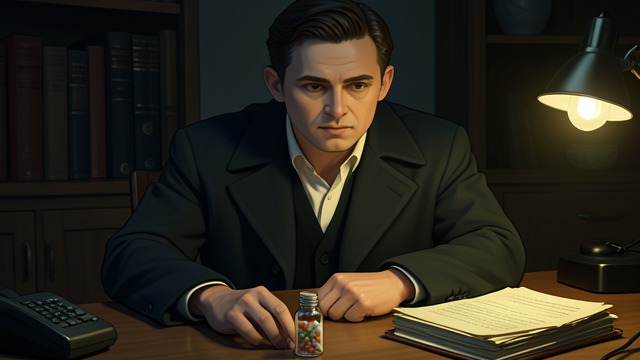
A Changed Perception
The pills disclosed
Mucho tells Oedipa that he has been taking LSD supplied by Dr. Hilarius. His account suggests that the drug has changed how he hears music, voices, and advertising.
Concern without leverage
Oedipa tries to discover how long he has been using it, but he cannot remember. He insists that the experience is not addiction, leaving her alarmed and unable to persuade him to stop.
The Human Chorus
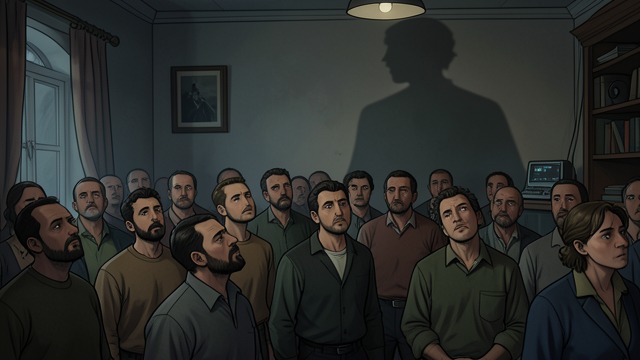
Everyone in Every Voice
Listening as analysis
Mucho describes separating sounds into frequencies and imagining that the same spoken phrase belongs to millions of people. Individual voices become interchangeable parts of a vast chorus.
A revelation that alarms Oedipa
He experiences this as abundance and connection, while Oedipa sees him becoming unfamiliar. Their different responses turn his apparent insight into a loss of intimacy.
The Last Conversation
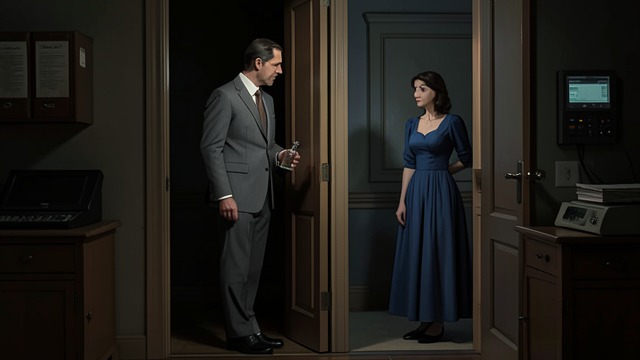
A Goodbye in Shared Voices
A former nightmare dissolves
Mucho says the recurring fear of the car-lot sign N.A.D.A. no longer disturbs him. The relief depends on a new mental state that Oedipa cannot share or control.
Distance becomes final
He offers her the pills, but she refuses. They part without resolving whether his transformation is temporary, dangerous, or a new understanding, and Oedipa later feels she has lost the husband she knew.
Several years before the main investigation
At home after Oedipa receives the will
During Oedipa’s return from San Francisco
Later in the same conversation
As Mucho returns to KCUF
