
The Fatal Deception
The Cuckoo's CallingJohn Bristow’s investigation gambit conceals a history of violence and attempts to redirect suspicion toward another man.
increasing Bearing strength in each event
 decreasing
Bearing strength in each eventdecreasingThe Bereaved Brother
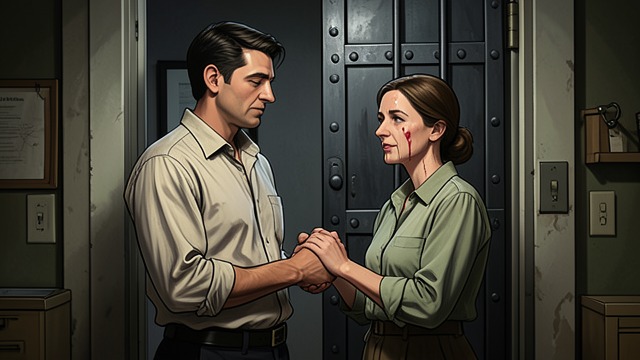
Grief as a Performance
A compelling client
John Bristow arrives tearful and apparently overwhelmed by the deaths in his family. He presents himself as a brother who cannot accept that Lula chose to die, and his account wins Strike’s initial attention.
A story with omissions
Bristow supplies selected suspicions about the CCTV runners and Tansy’s testimony, steering the investigation toward other people. His urgent appeal for justice masks the fact that he already knows more about the night than he admits.
The Convenient Suspect
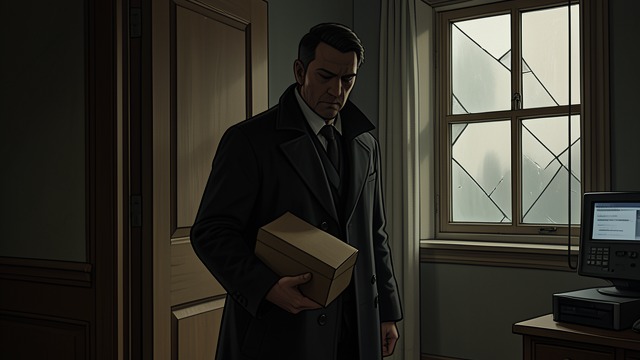
Redirecting Suspicion
A ready-made culprit
Bristow emphasizes a masked Black runner and the unexplained gap in building security. The theory appears plausible because the police cannot identify the men and because an outsider could have entered during Wilson’s absence.
Bias concealed as logic
Strike recognizes that Bristow’s theory leans on racialized fear and ignores inconvenient evidence. The runner’s presence is real, but the confident story built around him may serve the person who is most eager to accuse him.
The Accusation Reversed
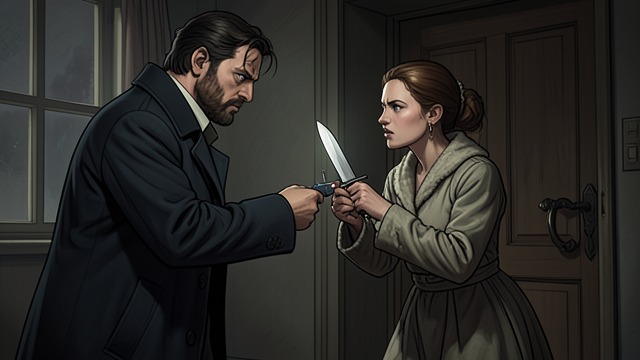
The Client Becomes the Suspect
The motive exposed
The concealed will makes Bristow’s financial interest visible. Strike connects it to Bristow’s debt, his conflict with Lula, the missing photographs, and his efforts to keep Rochelle from being found.
A practiced aggressor
When confronted, Bristow attacks rather than seeking clarification or leaving. The violence punctures his performance of helpless grief and confirms that the inquiry’s central conflict was hidden inside the client relationship itself.
At the first client meeting
As Strike follows the CCTV lead
At the late-night office confrontation
