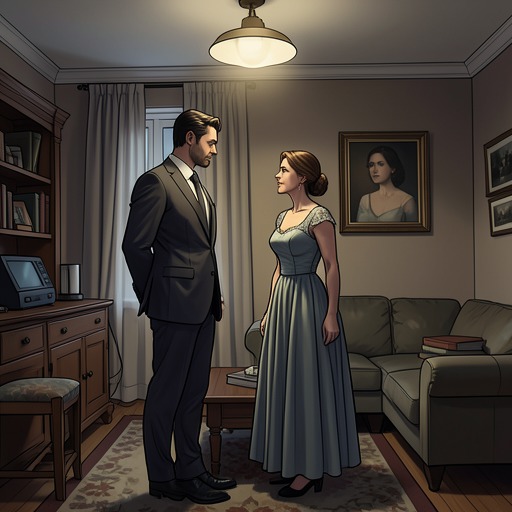
Alison Cresswell
The Cuckoo's CallingAlison Cresswell, known as Alison, is John Bristow’s former girlfriend and colleague, whose account becomes important to Cormoran Strike’s investigation. John asked her to claim that she had seen him at work on the morning Lula Landry died, but Alison had not been there. Once Strike disclosed the deception and the evidence against John, she left both the relationship and her job, removing the support John had hoped would serve as an alibi.
Identity and Background
Alison worked with John and was close enough to him for him to enlist her in constructing an alibi. Her role in the case is largely established through what John told her and what she later told Strike; the available evidence does not give a fuller personal history. She is presented not as an investigator but as someone drawn into John’s account of his bereavement and then asked to support a claim about his whereabouts.
The Alibi and Its Failure
A couple of dates into their relationship, John persuaded Alison to say that she had seen him at the office on the morning before Lula died. He framed his request as a response to anxiety, and Alison understood the lie as a small reassurance rather than a consequential part of a murder investigation. She believed that Tony Landry had already provided John with a firm alibi for later that day, so she did not think her statement would materially affect the case.
The claim was false: Alison had not been at the office that morning. Cyprian May had sent her to Oxford as soon as she arrived at work, to look for Tony. This distinction matters because Alison could not have supplied the files she supposedly saw John collect, and her absence left John’s account unsupported. Strike further explains that John became anxious after Rochelle Onifade’s funeral because he realized Strike knew Alison had been sent away.
Relationship with John and the Break
John used their developing relationship to secure Alison’s cooperation. Strike’s reconstruction is that John presented himself as a devastated brother, asked her to dinner, and then asked her to provide the office sighting. Alison agreed, believing he was overanxious and that a minor falsehood would calm him; she did not understand that he was relying on her as a possible fallback alibi.
By the time of the confrontation, the relationship had ended. John suggested that Alison might be confused about the days or seeking revenge because they had split up. Strike rejects that explanation and tells John that Alison is definitely finished with him. The collapse of the relationship also ends the usefulness John had assigned to her testimony: she is no longer willing to remain close to him or protect his version of events.
Disclosure and Narrative Significance
Strike tells John that his assistant contacted Alison, explained the evidence—including Tony’s affair with Ursula May—and warned that John was about to be arrested for murder. Alison then decided to seek a new boyfriend and a new job; Strike says he suggested she go to her mother’s home in Sussex. Her departure shows how the investigation reaches beyond reconstructing the crime: the exposure of John’s deception changes the lives and loyalties around him, while dismantling the personal arrangement he had counted on for protection.
Alison’s role also exposes the difference between the reassurance she thought she was offering and the function John’s lie assigned to her. What she regarded as a harmless white lie was, in fact, part of his effort to manufacture an alibi. Her absence from the office, followed by her decision to leave John and her job once she learned the truth, helps show why his account could not hold.