Freddie Bestigui–Tansy Bestigui marriage
The Cuckoo's CallingFreddie Bestigui and Tansy Bestigui’s marriage enters the investigation through two linked facts: Freddie was reported to have been asleep when Lula Landry fell, while Tansy sounded the alarm and said a man had pushed Lula from her balcony. Their contrasting positions—as a husband under suspicion and a wife whose actions initially appeared to implicate an intruder—make the marriage relevant to the question of who could have been inside the building.
Public Appearance
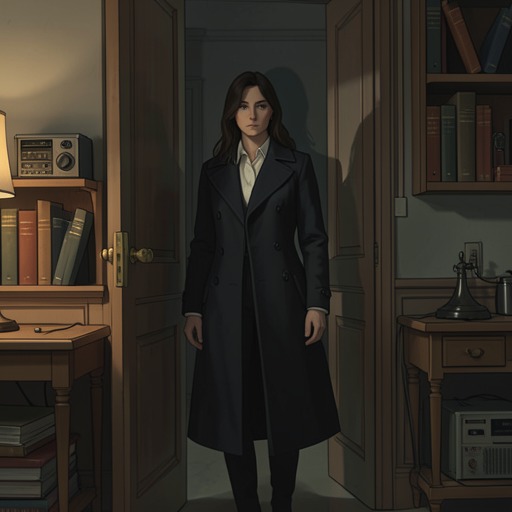
At Lula’s funeral, Freddie and Tansy appeared together in a photograph captioned as a couple. Freddie was a film producer, physically imposing in an expensive black overcoat; Tansy, young and slight beside him, kept her face largely hidden behind her coat collar and large sunglasses. The image offers a public pairing but little access to their private relationship.
The Night Lula Died
According to information Robin found online, Freddie had been in bed asleep when Lula fell from the balcony two floors above. Tansy, however, was the person who raised the alarm. Eric Wardle recalled that she came out of the building distressed, told him Lula was dead, and said that a man had pushed her from her flat. Her claim placed a suspected killer upstairs, shaping the first account of the death.
When Tansy saw a police car, she returned outside in her dressing gown with Freddie following her. She again told the police that a murderer was in the building. The couple then went back inside with Wardle and an officer, who directed them to return to their flat while the building was searched. Thus, in the immediate aftermath, Tansy repeatedly pressed the claim of an assailant while Freddie was beside her; the evidence does not establish that either spouse had committed the crime.
Suspicion and the Investigation
Strike considered Freddie because he had been in close proximity to Lula at the time of her death, despite the report that he was asleep. Tansy’s decision to alert the guard and insist that a killer remained upstairs initially counted against the idea that she had pushed Lula herself. Strike nevertheless treated opportunity as a central investigative question: if someone already inside the building committed the crime, a resident could return to an expected location without needing to enter or leave unnoticed. The Bestiguis’ marriage therefore forms part of the inquiry’s practical problem of access and alibi, rather than a settled account of their guilt or innocence.