Lula Landry–Evan Duffield relationship
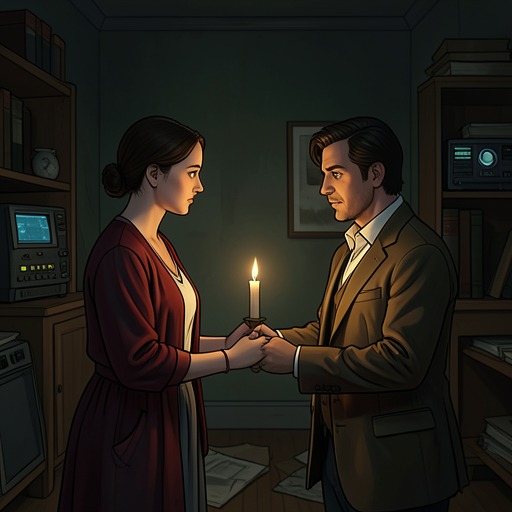
The Cuckoo's CallingThe Lula Landry–Evan Duffield relationship is a repeatedly renewed romance whose latest reconciliation becomes central to the account of Lula Landry’s final day. To her family, Duffield’s return represented a dangerous influence; to the investigation, the couple’s argument at Uzi supplied a conspicuous but misleading explanation for her death.
A Relationship Resumed
Lula and Duffield had recently got back together after a separation that had relieved her family. John Bristow regarded Duffield as an addict and a chronic self-publicist, and believed he was among the worst possible influences on Lula. He connected his alarm to Lula’s own history with drugs: in his view, her renewed involvement with someone struggling with addiction exposed her to a risk the family had been glad to see removed.
John’s objection was not merely private disapproval. On the morning before Lula died, he argued with her about Duffield, continuing a telephone quarrel from the previous night. He later acknowledged that he might have been heavy-handed and described himself as protective, but Lula had told him that he did not understand her. She had also instructed the security man at her building not to let John upstairs. When he arrived with a contract she needed to review and sign, the doorman nevertheless allowed him through; the visit led to another argument before the tension subsided.
The Final Night
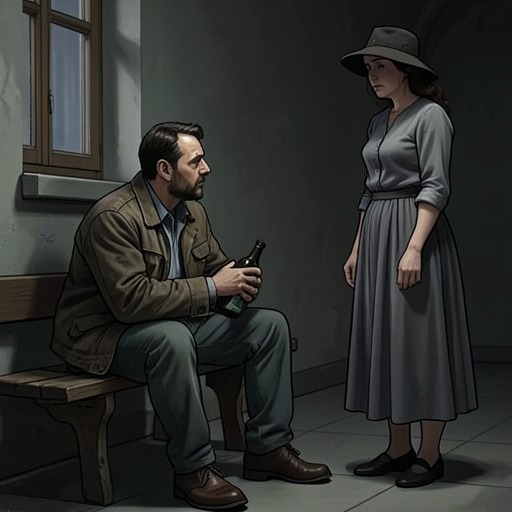
On the evening of her death, Lula and Duffield met again after Lula had spent the afternoon at home with her friend Ciara Porter. They went to dinner with Duffield and others, then continued with the group to Uzi, where they stayed past midnight. There, Lula and Duffield argued in public. Witnesses saw Duffield attempt to keep her from leaving; Lula left the club alone.
That separation gave the encounter an immediate force in accounts of Lula’s death. Many people assumed afterward that Duffield was responsible, but his drug dealer provided evidence supporting an alibi, and he was cleared. The facts therefore distinguish the visible conflict between the couple from proof of involvement in Lula’s death: the argument made him an obvious suspect, but did not establish that he caused her fall.
Family Judgment and Investigative Assumptions
The relationship is filtered largely through other people’s judgments. John’s description of Duffield as an addict and self-publicist helps explain his intervention, but it also shows how readily a stigmatizing label could shape the story told about the couple. The detective in charge, meanwhile, had been convinced from the outset that Lula’s death was suicide because she took lithium, overlooking details that later attracted attention. The narrative thus places both the family’s certainty about Duffield’s influence and the official certainty about suicide alongside the need to test assumptions against evidence.
Duffield’s presence in Lula’s last hours is real, and their quarrel is witnessed; the accusation that follows is not confirmed. The contrast leaves the relationship important to the investigation without allowing it to serve as a verdict. Their renewed romance, the family’s opposition, and their public separation all become part of the case’s competing explanations, while the available evidence clears Duffield as a suspect.