Uzi nightclub
The Cuckoo's CallingUzi nightclub is the London venue where Lula Landry and Evan Duffield’s argument became a conspicuous episode in the final hours before Lula’s death. The club matters both as the setting of their separation that night and as one link in the chain of movements and testimony that Strike re-examines.
Place in the Night’s Timeline
After spending the afternoon at her flat with Ciara Porter, Lula went to dinner with Ciara, Duffield, and others. The group continued to Uzi nightclub, where they remained until after midnight. The sequence places the club between Lula’s private afternoon and her return alone to Kentigern Gardens.
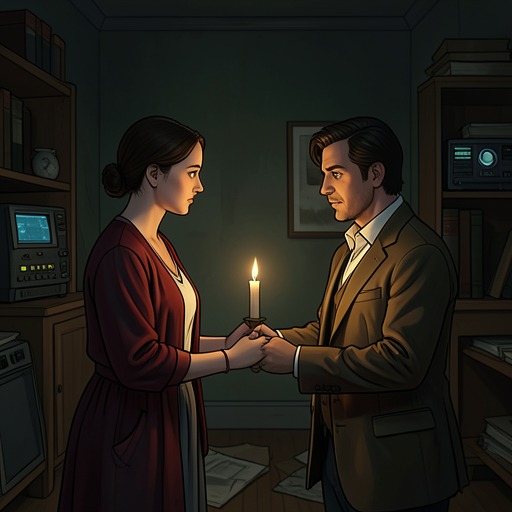
At Uzi, Lula and Duffield argued in public. Witnesses saw Duffield seize her by the upper arms and try to stop her leaving; Lula broke free and left the club alone. She returned to her flat at about 1:20 a.m., and a photograph of her entering the building was widely circulated afterward.
Suspicion and the Alibi
The altercation initially made Duffield an obvious suspect in the public understanding of Lula’s death. His attempt to restrain her offered a visible, emotionally charged account of conflict shortly before she died. Yet the apparent implication did not settle the question: Duffield was cleared on the strength of an alibi, which included testimony from his drug dealer.
Strike’s review of the police file preserves both sides of that account. Duffield admitted trying to prevent Lula from leaving Uzi and said that he followed her after she broke away. His driver’s statement supported the reported journey from the club to Kentigern Gardens and then to d’Arblay Street. Other witnesses claimed to have seen Duffield around London, but, because he wore a wolf-head mask to avoid photographers, they could identify only a masked man. The nightclub scene therefore supplies a strong appearance of motive and confrontation, while the subsequent movements and limits of identification complicate what that appearance can prove.
The Club and the Reconstructed Route
Uzi is a point in a larger evidentiary reconstruction rather than a complete explanation of Lula’s death. The public argument, Lula’s departure alone, the reported return to her flat, and Duffield’s disputed-looking but officially accepted movements belong to the same narrow stretch of time. Strike’s investigation distinguishes what witnesses directly saw at the club from what the later alibi evidence was taken to establish. In that contrast, Uzi becomes a place where the visible story of the night begins to diverge from the more difficult question of who could have reached Lula afterward.