
Truth Against Institutional Certainty
The Cuckoo's CallingStrike’s private inquiry challenges police assumptions without dismissing the value of forensic procedure.
increasing Bearing strength in each event
 decreasing
Bearing strength in each eventdecreasingThe File as Authority
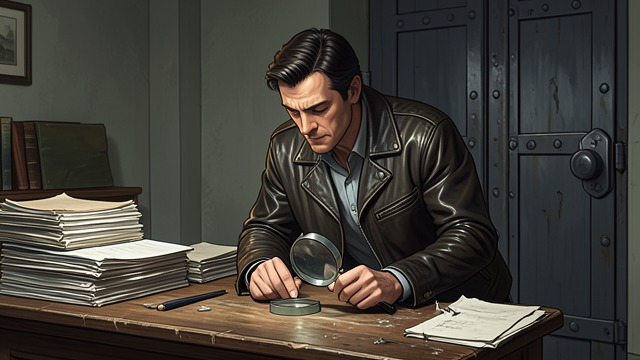
A Thorough Investigation
More than a hunch
Strike studies statements, phone records, medical reports, visitor logs, and CCTV. The police have gathered extensive material, and the volume of the file initially supports the official finding of suicide.
Questions left open
Thoroughness does not guarantee a sound interpretation. Strike sees that investigators may have followed the strongest early theory rather than asking what the inconsistencies could mean.
The Witness in the Changing Room
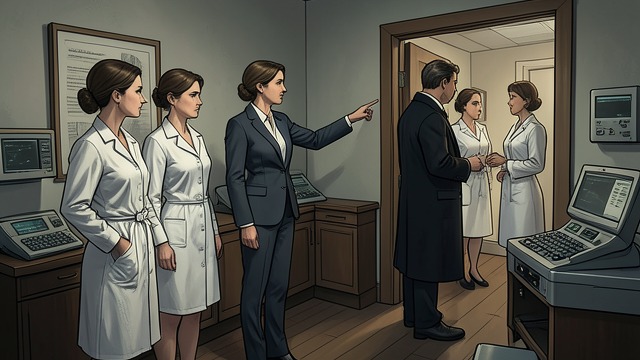
A Small Disclosure
Robin’s approach
Robin persuades the boutique assistants to discuss what they overheard when Lula visited Vashti. One employee recalls Lula pleading with someone to come to her flat later that night.
A missing interview
The police had never questioned the boutique staff. The neglected testimony changes the inquiry because it establishes a planned meeting, making Lula’s short stop and her use of a private phone number newly significant.
A Better Standard of Proof
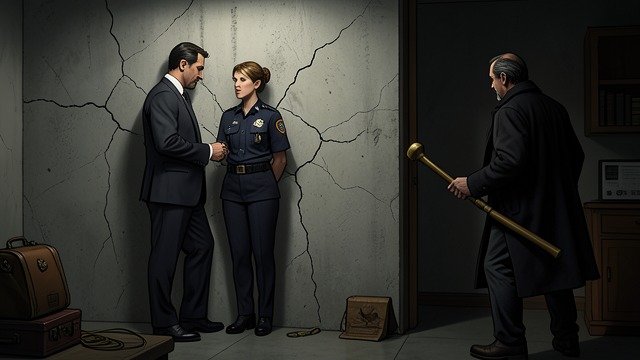
Pressure for Action
Suspicion is not enough
Strike presses Wardle to reopen the case after Rochelle’s death and the discovery of Lula’s will. He insists that the police cannot keep treating each death as isolated when the same inquiry has endangered witnesses.
Evidence takes shape
Wardle needs material that will stand in court, not a persuasive theory. The will, the garment, the runner’s path, and the threatened witness together create a stronger case than any one clue could provide.
When Strike first receives the police materials
During Robin's inquiry at Vashti
During Strike's confrontation with Wardle
