
The Killer’s Use of Mourning
The Cuckoo's CallingJohn turns his family’s real grief into camouflage, drawing on the appearance of devotion to conceal a calculated crime.
increasing Bearing strength in each event
 decreasing
Bearing strength in each eventdecreasingTears at the First Meeting
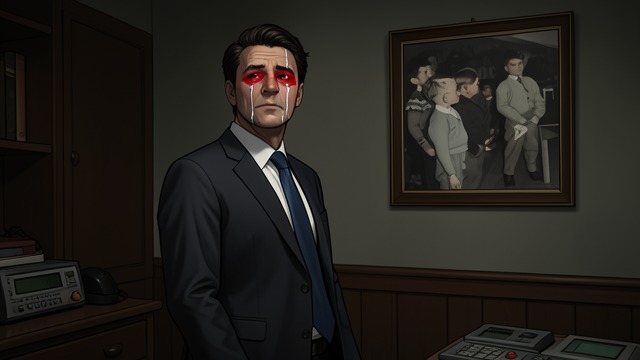
Grief as Credibility
An emotional display
John cries while describing Lula’s arrival in the family, his mother’s illness, and the deaths that have already marked his life. His distress appears sincere enough to make Strike hesitate before refusing the case.
Emotion and deception
The tears do not mean that every feeling is false. John’s history of bereavement gives him a believable role, and he uses that role to direct attention away from his own actions.
The Devoted Son

Care as Cover
An expected role
John presents himself as the son who drives his mother to treatment and stays with her through pain. His family and colleagues see him as dutiful, especially after Lula’s death.
A constructed alibi
The role gives John access to Yvette’s home and a plausible account of where he was. Her medication and failing memory allow him to turn caregiving into a shield against questions.
The Bereavement Reversed

The Performance Ends
A client exposed
Strike tells John that his grief and requests for justice have concealed a motive to inherit Lula’s money. He also links him to Charlie’s death and Rochelle’s murder.
Mourning becomes evidence
John’s anger, attack, and insistence that there is no proof reveal the gap between his careful public role and private violence. The family’s language of loss no longer protects him; it becomes part of the pattern the detective can explain.
At the beginning of Strike's inquiry
During Yvette's illness
During the final office confrontation
