
The Public’s Search for a Moral
The Cuckoo's CallingPublic commentary turns Lula’s death into a lesson about celebrity and mental illness, often at the expense of her individual life.
increasing Bearing strength in each event
 decreasing
Bearing strength in each eventdecreasingThe Moralizing Obituary

A Celebrity Made into a Warning
A columnist’s judgment
A public essay asks why readers care about Lula and argues that attention follows beauty and celebrity rather than genuine grief. It casts her death as a cautionary tale about the emptiness of fame.
A contradiction exposed
The argument criticizes the public’s appetite while participating in it. Lula’s life becomes evidence for a moral position before her private relationships and choices are understood.
The Suicide as Lesson
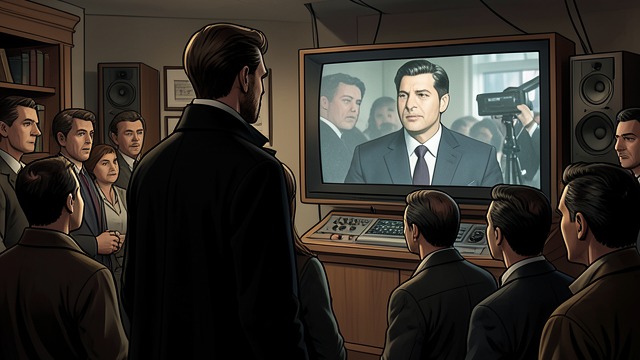
A Convenient Narrative
A public explanation
Commentators connect Lula’s beauty, unstable past, drug history, and celebrity lifestyle to a story of inevitable collapse. The public can then interpret her death as a consequence of the life it both admired and condemned.
Responsibility disappears
The narrative makes the possibility of murder seem less urgent and encourages people to treat self-destruction as a personal flaw. Strike’s inquiry challenges the fatalism that allows others to stop asking questions.
The Story Rewritten
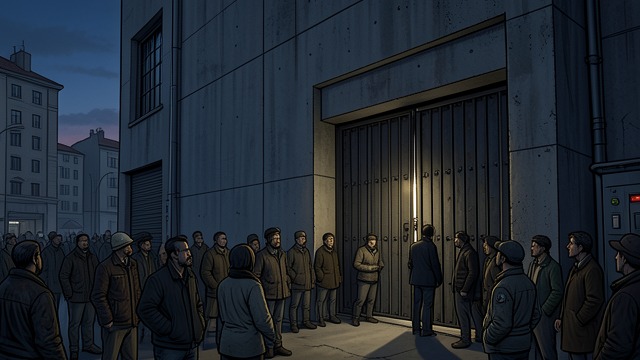
From Icon to Victim
A new account
The discovery of murder revises the public story but again floods the media with photographs of Lula. The central facts change, while the impulse to consume her image remains.
A person recovered
Strike’s case shows a woman who made plans, cared for friends, sought family, and kept working. Her humanity emerges through testimony and ordinary messages rather than through the monumental images that defined her public fame.
During the weeks after Lula's death
After the inquest verdict
After John Bristow is arrested
