
Observation, Memory, and Evidence
The Curious Incident of the Dog in the Night-TimeChristopher’s extraordinary attention to detail shapes both his detective method and the personal record through which he makes sense of events.
increasing Bearing strength in each event
 decreasing
Bearing strength in each eventdecreasingA Memory Like Film
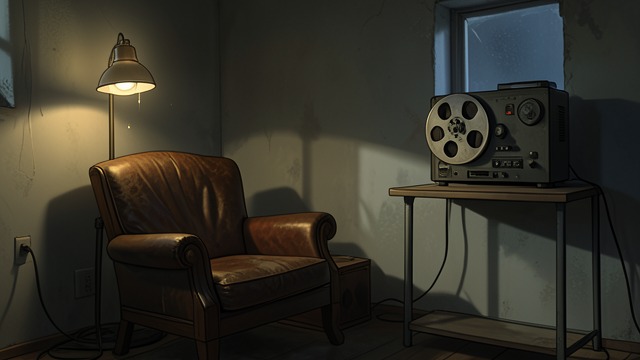
Replaying Experience
Sensory Detail
Christopher describes memory as a film with sound and smell. He can revisit scenes and recall what people wore, said, and smelled like.
This ability lets him preserve conversations and events with unusual specificity.
A Particular Record
His memory is not a universal account of every meaning. It stores what happened from his perspective, including gaps and moments he could not process.
Noticing the Field

Seeing More Than an Outline
A Detailed Landscape
Christopher remembers counting cows and houses and noticing ridges, litter, flowers, and the slope of a field. Where another person might see a general landscape, he records its particulars.
His attention supplies evidence that others may miss.
The Cost of Attention
The same detail-rich perception becomes tiring in a new place. Observation is both a source of knowledge and a demand on his limited capacity.
Clues and Red Herrings
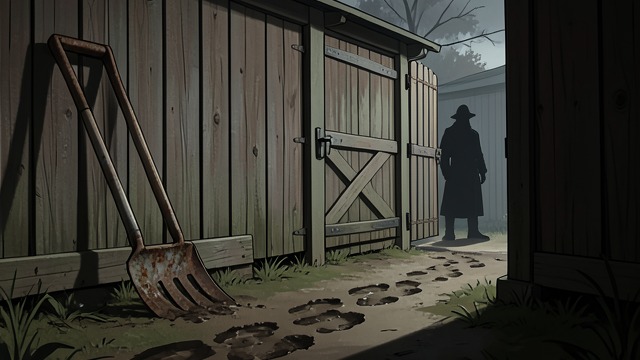
Evidence Tested
Separating Clue from Theory
Christopher considers the fork in Mrs. Shears’s shed and whether it might be a red herring. He tries to distinguish an object that resembles evidence from proof of who used it.
His reasoning draws on detective stories and observations from the neighborhood.
A Plausible Error
He identifies Roger Shears as the prime suspect, but the conclusion is wrong. Careful observation does not protect him from incomplete information.
The Field of Signs

A World Too Full of Detail
Every Sign Competes
Christopher reads advertisements, warnings, and directions in railway spaces. The accumulated words become so numerous that he can no longer organize them.
A new environment forces him to process both physical detail and the possibility of unexpected human behavior.
Narrowing Attention
He closes his eyes, follows one sign at a time, and makes an imagined red line. Selective observation becomes a way to move through overload.
A Book as a Record
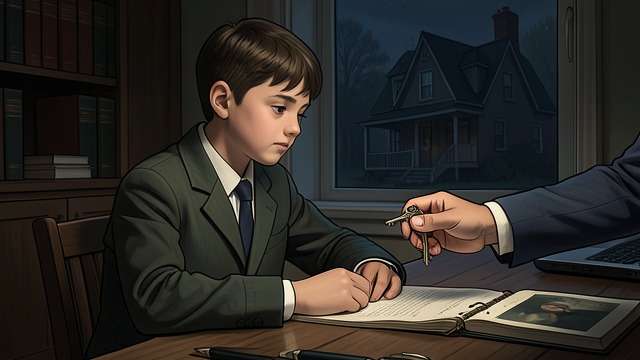
Recording What Happened
Evidence in Narrative Form
Christopher’s book preserves the death, interviews, family revelations, journey, and examination. Its diagrams and explanations allow him to place distinct events into a sequence.
Writing helps him return to events without turning them into fiction.
Meaning Beyond the Case
The record is not only proof of what happened to Wellington. It shows how Christopher uses observation to build an account of himself and his choices.
Before the story’s central revelations
In a memory from a family drive to Dover
During Christopher’s investigation of Wellington’s death
During Christopher’s London train journey
Near the end, after Christopher completes the exam
