
The Meaning of Truth
The Curious Incident of the Dog in the Night-TimeChristopher’s commitment to exact truth is tested by concealment, social tact, and the devastating consequences of Father’s lies.
increasing Bearing strength in each event
 decreasing
Bearing strength in each eventdecreasingTruth as a Rule
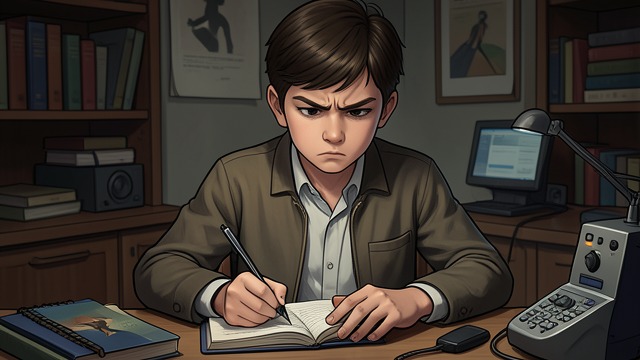
One Account of Events
Why He Avoids Lies
Christopher says he does not tell lies because imagining what did not happen can generate too many competing possibilities. A specific truth is easier to hold than an endless set of alternatives.
This is not presented merely as virtue; it is also a way to manage confusion and fear.
The Book’s Promise
He insists that his account is true. His narrative form makes factual precision a source of security.
White Lies and Omissions
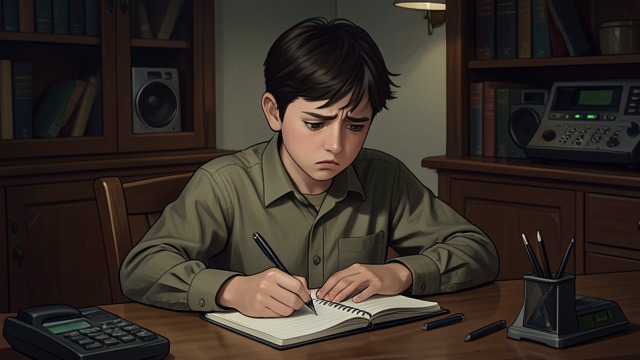
The Difficulty of Partial Truth
A Narrow Definition
Christopher considers statements that leave out information, such as telling Father(Ed Boone) only that he has been out. He calls these white lies because the words remain technically true.
His reasoning reveals how difficult he finds the social boundary between honesty and concealment.
A Practical Tension
He withholds details because he knows Father disapproves of the investigation. Truth is a rule he values, but he is already navigating its complications.
The Lie About Mother

A False Reality
Evidence Against Father
The letters prove Mother lived in London after the date Father said she died. Christopher cannot reconcile the postmark with the story he has been told.
The lie is not a small social omission; it has shaped his understanding of his family for years.
Trust Destroyed
Father’s explanation that the lie grew out of control does not remove its effects. Christopher’s difficulty trusting him becomes a central consequence of the revelation.
Truth About Wellington
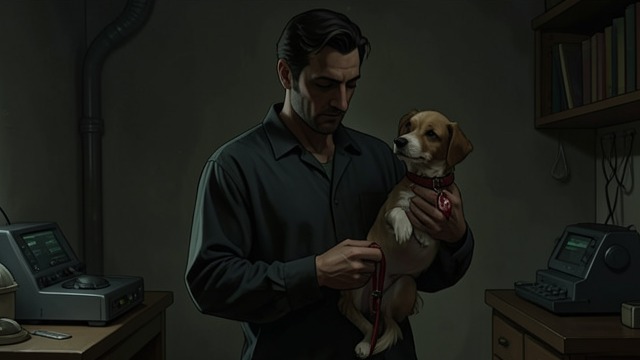
The Confession
A Truth with Consequences
Father(Ed Boone) tells Christopher he killed Wellington. The admission fulfills Father’s promise to tell the truth, but its content frightens Christopher.
The story shows that truth can be necessary without feeling safe or repairing the relationship it exposes.
Fear and Flight
Christopher leaves because he cannot trust the person who confessed. Honesty arrives too late to prevent the damage caused by concealment and violence.
Trust as a Project
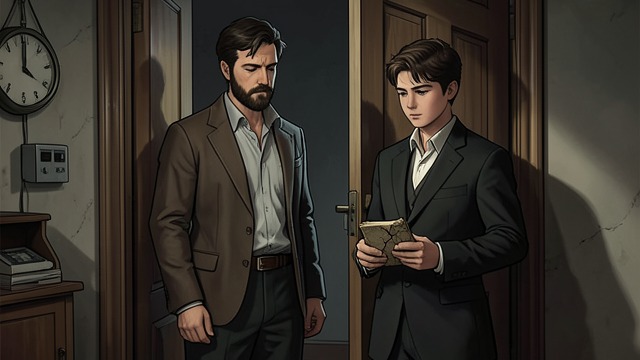
Truth After Betrayal
A Conditional Promise
Father(Ed Boone) tells Christopher he will try to tell the truth from then on. Christopher does not immediately return to the earlier trust between them.
Father proposes that they treat trust as a project that can take time.
Gradual Evidence
Christopher later accepts short conversations and contact around Sandy. Reliability must now be shown through repeated actions rather than assumed from a parent’s role.
At the beginning of Christopher’s narration
During Christopher’s early investigation
After Christopher reads the postmark
Later that night, after Father apologizes
Several weeks after the A-level examination
