
Fictional Violence and Real Victims
The Dark HalfThe crime novels’ stylized violence shapes both Stark’s actions and the responses of people who recognize his imagined world in real crimes.
increasing Bearing strength in each event
 decreasing
Bearing strength in each eventdecreasingMachine as Model
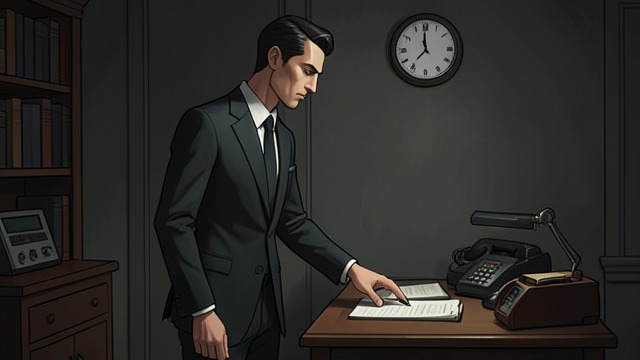
Machine as Model
A character built for action
Alexis Machine embodies the ruthless efficiency Thad admires and fears. The character gives the Stark books a voice distinct from Thad’s literary novels.
Violence becomes grammar
The novels teach readers and later witnesses how to recognize Stark’s methods. Fiction supplies not only plot but a vocabulary for brutality.
A Landlord Recognizes the Scene
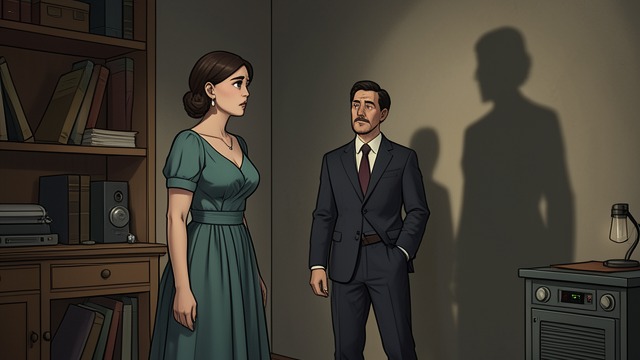
A Landlord Recognizes the Scene
Crime resembling a novel
Dodie Eberhart recognizes the mutilation as the kind of act Alexis Machine might commit. Her reading history helps her interpret the scene before police arrive.
Fiction shapes perception
The books do not merely inspire the killer; they shape the witness’s imagination. Dodie’s vision of Machine briefly appears to occupy the room with the murderer.
The Razor as Signature
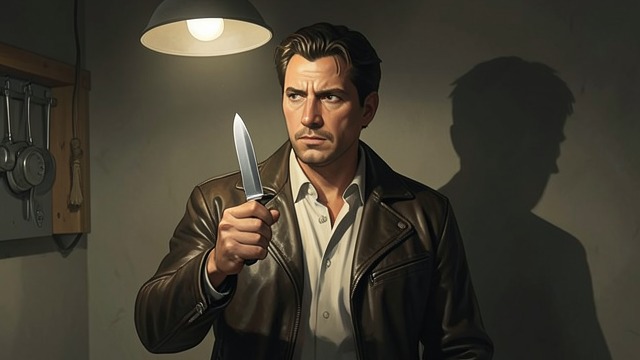
The Razor as Signature
A repeated instrument
Stark uses a straight razor in multiple attacks, carrying the violence of his fictional character into physical scenes. The weapon becomes a signature recognized by those who know the books.
Fiction’s material trace
The boundary between prop and evidence collapses. A fictional tool becomes a real instrument with irreversible consequences.
Readers Become Targets
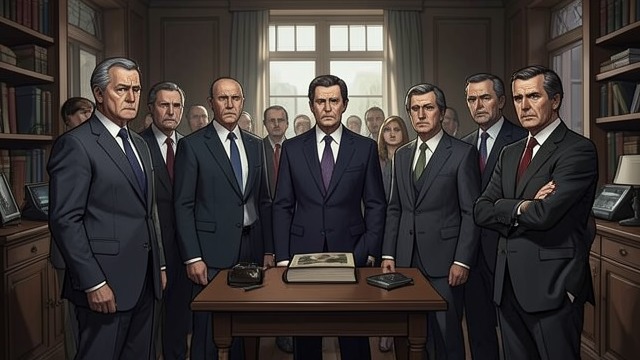
Readers Become Targets
The public story gathers names
Clawson, Cowley, Donaldson, and Myers are linked to the exposure and circulation of Stark’s identity. Their roles in the publishing story become reasons for attack.
The cost of spectacle
The people who report, edit, or reveal the fiction are pulled into its violence. Publicity has consequences beyond sales and reputation.
The Last Fictional Death
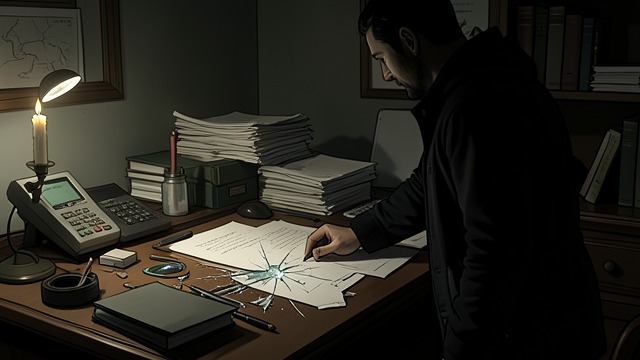
The Last Fictional Death
A story ends in the world
Thad and Stark begin writing a novel, but the real action overtakes the fictional plot. The manuscript’s violence and the room’s violence become difficult to separate.
Art cannot contain its maker
Stark’s removal ends the immediate cycle but does not erase the effect his fiction has had on Thad and the survivors. The novel leaves authorship morally unsettled.
During the creation of the first Stark novel
June 1988, when Dodie finds Clawson
June 1988, during Stark’s New York attacks
June 1988, after Thad goes public
The final night, as Stark is carried away
