
Respectability, Status, and Self-Invention
The Darling Buds of MayThis flow traces how the Larkins encounter conventional ideas of class and respectability while building identities on their own terms.
increasing Bearing strength in each event
 decreasing
Bearing strength in each eventdecreasingThe Tax Inspector’s Assumptions

A Clash of Social Worlds
Official Categories
Cedric Charlton asks Pop Larkin for an occupation and income, trying to fit the farm into bureaucratic categories. Pop answers with contradictory identities: farmer, landowner, trader.
Refusal to Be Reduced
Pop’s life does not fit neatly into the inspector’s form. The encounter questions whether official respectability can accurately describe practical success.
The Brigadier’s Patched Suit

Rank Without Comfort
An Old Social Figure
The Brigadier carries the signs of former status but wears patched clothes, odd socks, and a worn collar. His authority does not translate into wealth.
Pop’s Different Measure
Pop Larkin values him for honesty and companionship, not appearance. Their friendship challenges the assumption that social rank guarantees a comfortable life.
Edith’s Narrow Means
Respectability Under Strain
A Life of Shortage
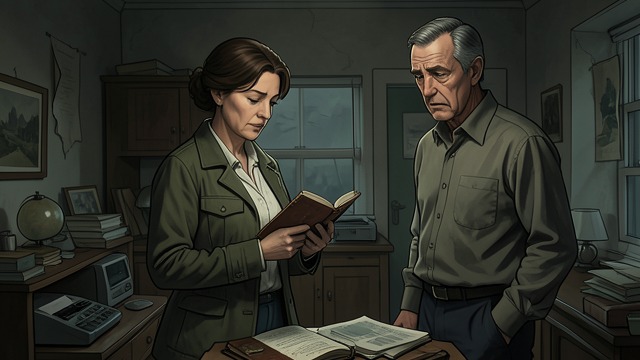
Edith Pilchester cannot afford household help, a car, or much of the life she remembers before the war. Her committee work tries to restore order to a diminished world.
A Different Kind of Wealth
Pop Larkin’s generosity offers land, food, and companionship. His resources are practical, while Edith’s former status has become increasingly difficult to maintain.
Bluff Court and the Scrap Dealer
Heritage Meets Salvage
Pop Names a Price
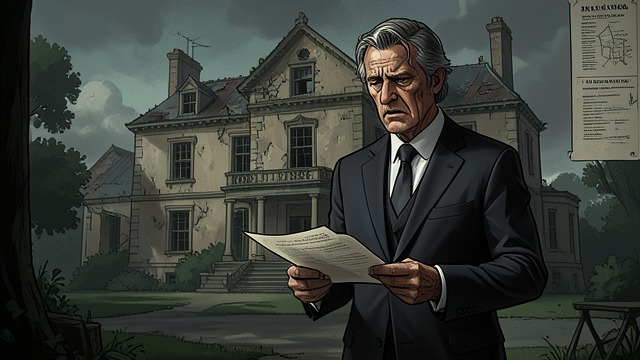
Pop Larkin asks Sir George Bluff-Gore to sell Bluff Court so he can demolish it for reusable materials. The proposal treats a historic home as an economic object.
Status Reconsidered
Sir George is shocked, but the house’s costs make the old model of aristocratic life unsustainable. Pop’s bluntness exposes a changing countryside.
The Times at the Farm

A New Reading Habit
Respectability Acquired
Pop Larkin has begun taking The Times after seeing that the Brigadier, Edith Pilchester, and Sir George Bluff-Gore read it. A social marker becomes part of his own household.
Selective Self-Invention
Pop adopts what interests him without abandoning his habits or values. The change is neither full assimilation nor simple rejection, but a confident mixture.
The first afternoon Cedric Charlton visits
During his first visit to the Larkin farm
When Edith Pilchester first discusses the gymkhana
At the gymkhana beer tent
During the July breakfast before the France trip
