Homa Plain
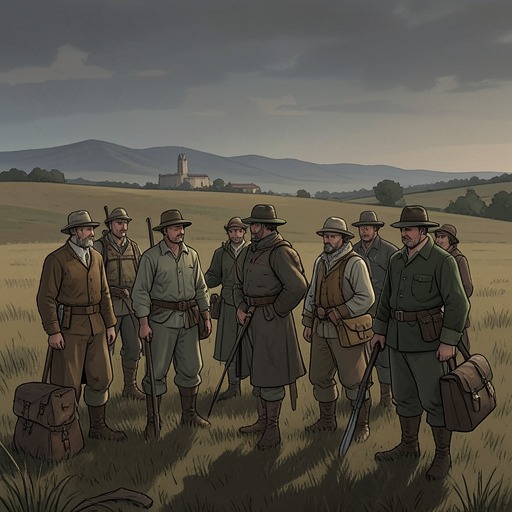
The Deer KingThe Yukata Plains are southern Aquafa’s expansive grasslands, famed for their fire horses and central to the lives of the Ahfal Oma. Their history in the novel is also a history of conquest: Zolian rule takes the horses and repurposes the pastures, while the people associated with them are dispersed and forced to make livelihoods elsewhere.
Setting and Fire Horses
Aquafa’s northern lands are cold, with long winters and short summers that make cultivation difficult. By contrast, the southern Yukata Plains are broad and suitable for horse breeding. Their famed fire horses, called ahfal, have flame-red coats, fierce temperaments, and remarkable stamina despite their small stature. They once formed the feared Aquafaese cavalry, making the plains a source of both livelihood and military strength.
Conquest and a Changed Landscape
After Aquafa was subjugated, the Zolians requisitioned the ahfal stud horses. The plains themselves were turned into pasture for sheep brought by Zolian immigrants. This was not simply a change in what the land produced: imperial rule redirected its resources, displacing local practices while establishing the livestock preferred by the newcomers. The shepherds on the new pastures were also among those troubled by attacks from ossam.
The Ahfal Oma in Dispersal
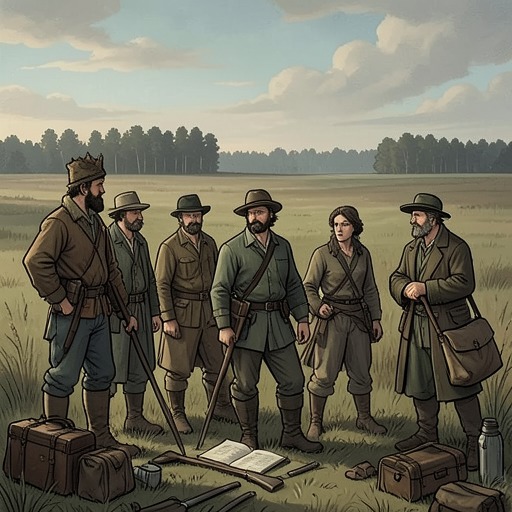
The Ahfal Oma, the People of the Fire Horse, once populated the plains, but conquest scattered them. Some joined the Ofal Oma in the highlands; some raised horses for caravans; others moved northwest, where they struggled to live in unfamiliar places and resisted settling in towns or cities. Their dispersal connects the transformation of the grassland to a broader loss of home and autonomy: the people who had lived with its horses were no longer able to remain together on their ancestral range.
Animal Knowledge and Seasonal Husbandry
The plains’ horse-breeding culture is part of a wider body of local knowledge about animals and their needs. Van understands that pyuika cannot be raised like ordinary livestock by keeping them continually restrained: they need to roam, and lasting husbandry depends on familiarity and personal bonds. Their seasonal movements and calving also shape decisions about when herders can travel. When reindeer migration to summer pasture coincides with pyuika calving, households must find other people to help manage the animals rather than force them to follow an unsuitable schedule. Such knowledge gives the novel’s pastoral landscapes practical and social consequence; animal behavior affects labor, cooperation, and the possibility of making a living.
A Landscape Remade
The Yukata Plains stand in contrast to the highlands and forested country where displaced groups seek other forms of subsistence. Their red horses evoke the region’s former power, while sheep pasture marks the material reorganization that followed annexation. The setting thus holds together two consequences of conquest: land redirected to imperial uses and a people dispersed from the place that had defined their identity and livelihood.