Kashuna River
The Deer KingThe Kashuna River is associated with the battle in which Zolian forces defeated Van and his companions and captured him. The location becomes a key to his identity: records of his capture allow Yotalu to recognize him as Broken Antler Van, leader of the Lone Antlers, while Van’s later recollections connect the defeat to the losses that preceded his imprisonment.
The Battle and Van’s Capture
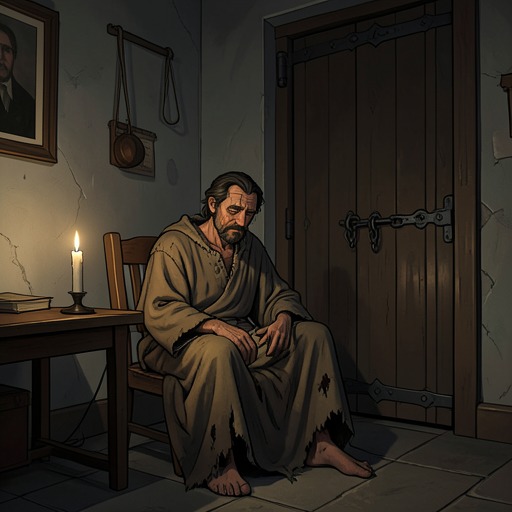
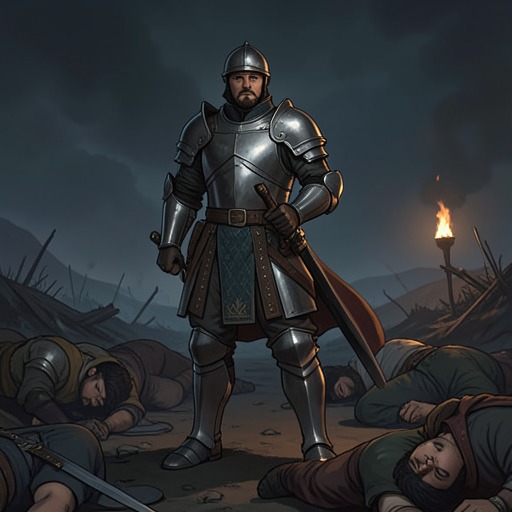
During the fighting at the Kashuna River, Van was taken prisoner by Zolian forces. The capture is documented in the records Yotalu examines: an officer reads that Van was seized during a battle on the river’s banks, and Yotalu checks the papers before identifying the prisoner. The river is thus established not only as a battlefield but as the place where Van’s resistance ended in captivity.
The defeat forms part of the Zolian campaign against the mountain clans of the Toga region. Aquafa had become a province of the Zol Empire, but the clans were not recognized as Aquafaese citizens and therefore lacked the status that might have allowed them to remain in their homelands. The Gansa leaders considered resistance a possible means of negotiating better terms, and the Lone Antlers fought as the warriors who made that strategy possible. Van’s capture at the river belongs to this wider struggle over conquest, allegiance, and the clans’ future.
Recognition at the Records
Yotalu links the capture record to the broken chain found in the salt mine. He explains to an officer newly transferred from the southern forces that the prisoner was none other than Broken Antler Van, the leader of the Lone Antlers. The officer recognizes the name as belonging to the Gansa warriors, while Hohsalle and Makokan need Yotalu’s explanation to understand the connection.
The identification gives the river a second significance: its battle becomes the means by which Van’s former public identity is recovered. The record does not merely place him at a past engagement; it connects a captive in the salt mine with the resistance leader whose people had troubled the Zolian forces in the west.
Memory and Aftermath
Van does not dream of the battle at the Kashuna River, despite vividly recalling while awake how his comrades were killed before him. Nor does the battle’s defeat and capture appear in his dreams. Instead, the face that returns is that of the first man he killed, a young Zolian officer in the mountains of Van’s native land. Van went on to kill many more men during the conflict, until death became commonplace; later, as he faces death again, the earlier battle remains part of the history that led him to captivity.
The contrast between waking recollection and absent dreams distinguishes the river battle from the personal memory that continues to surface. The battle explains how Van was taken, and the records restore his name and role, but the remembered face belongs to another encounter in the war. Together, these details place the Kashuna River within Van’s wider passage from resistance leader to prisoner, without making the river itself the focus of his recurring dreams.