Mana
The Deer KingMana is a priest-doctor apprentice whose brief but consequential encounter with Hohsalle and Milalle brings the conflict between two medical traditions down to the level of practice. He learns their procedures quickly and offers comfort grounded in his faith, yet refuses the invitation to see disease-causing organisms for himself: understanding the patient, not identifying the cause, is the path he chooses to pursue.
Identity and Introduction
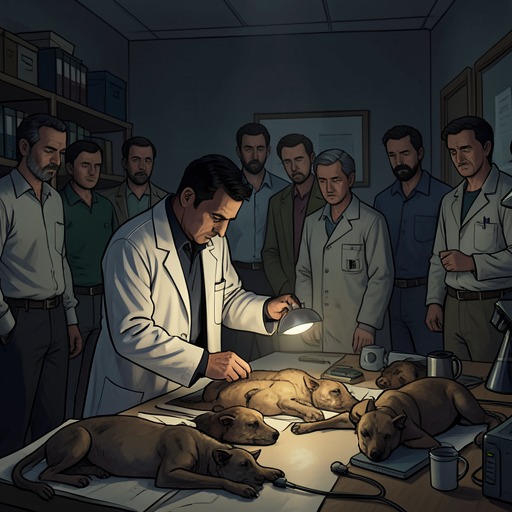
Lona sends Mana, a young apprentice, to assist Hohsalle and Milalle during the treatment of people bitten by dogs after the royal hunt. He arrives carrying a cloth bag of priest-doctor instruments. Tall, thin, and slightly stooped, he does not initially inspire confidence, but once the two physicians explain their procedures, he grasps their purpose so quickly that they recognize him as a particularly talented healer. His introduction thus sets appearance against ability: his value becomes evident through attention and understanding rather than first impressions.
Work During the Outbreak
Mana joins the treatment effort as patients are moved to an infirmary in the woods. When a falconer dies, Milalle covers the body and attends to the grieving wife and daughter, who have been unable to approach him because of the danger of contagion. Mana follows them into the corridor and identifies himself as a priest-doctor. He tells them that their husband and father’s suffering was witnessed by God, offers hope that he has been received into peace, and urges them to live nobly until they meet again. His response does not alter the medical outcome, but it meets a need the treatment procedures cannot: the family’s grief and separation from the dying man.
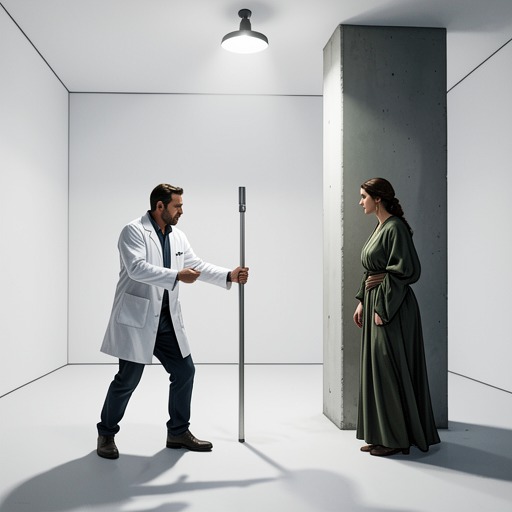
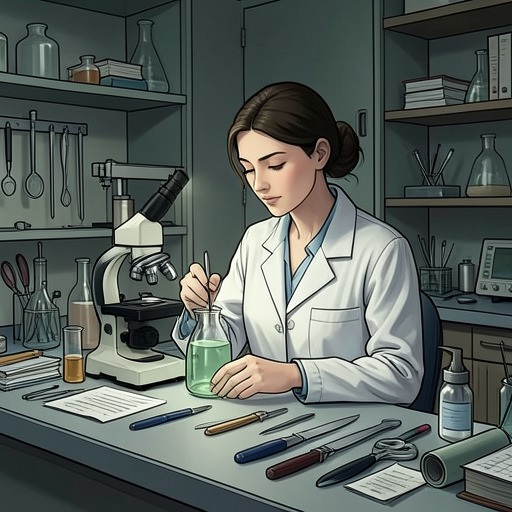
The outbreak also exposes the difference between Mana’s inherited religious framework and the explanatory model used by Hohsalle and Milalle. When Milalle says that an attempted treatment did not work as hoped and mentions the mittsual agent they had cultivated, Mana asks what an agent is. She explains that they believe disease is caused by tiny living organisms. Rather than dismissing his question, she invites him closer and explains their account directly; Hohsalle offers to show him the organisms later. Mana is therefore not simply excluded from their knowledge. He is given the opportunity to examine it, and his eventual refusal is a considered choice.
Medical Traditions and Belief
The disagreement sits within a broader difference in medical practice. In the Pure Heart Creed, physicians are also priests, and medicine is understood as a matter of divine teaching. A patient declared incurable is entrusted to God, with treatment directed toward allowing a peaceful death. Against that background, Mana’s work beside physicians who investigate disease agents represents genuine contact between traditions, but not a conversion from one to the other.
His answer to Hohsalle clarifies what he believes healing requires. Mana says that priest-doctors do not consider it necessary to seek the cause of disease: the patient’s body already makes the problem visible from the patient’s perspective. He interprets Hohsalle’s claim that organisms invade the body as another description of defilement entering it. What matters, he argues, is removing the obstacles that appear, observing the human form, and helping the sick person live well. His position treats the patient’s condition and care as sufficient grounds for action without making the hidden cause the central object of knowledge.
Choice and Narrative Significance
After the patients have stabilized, Hohsalle again offers to show Mana the tiny organisms. Mana declines, saying that seeing them would not change his understanding and that he feels no need to look. He bows deeply and returns to Lona. The decision marks the limit of the encounter: practical cooperation has taken place, but the two approaches do not merge. Mana has learned the other physicians’ procedures and worked alongside them, while remaining committed to a medical vocation centered on the visible patient and a religious account of illness.
Limuelle, who has watched the exchange while drinking tea, sighs that Mana’s decision is a pity. That response leaves the disagreement unresolved rather than making Mana’s refusal a simple triumph or failure. His character gives the novel’s medical conflict a human measure: competing explanations of disease are also competing accounts of what a healer owes the sick, what knowledge is necessary, and where attention should be directed.