Pyuika Riders' Vow
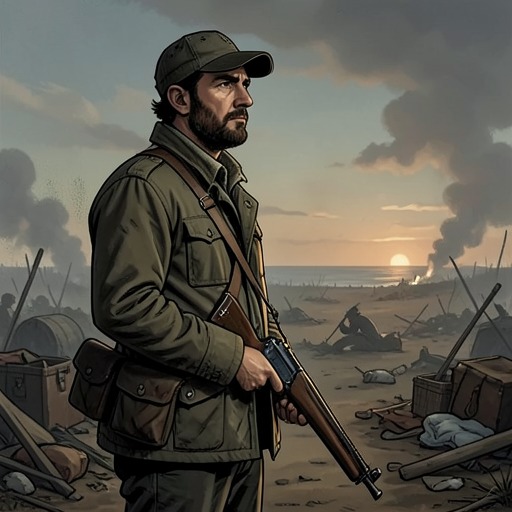
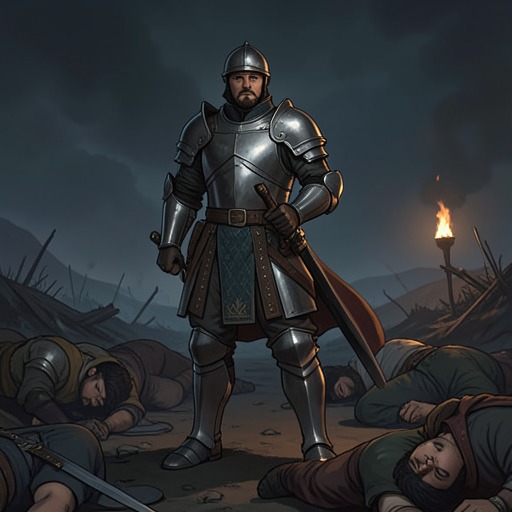
The Deer KingThe Pyuika Riders' Vow is a collective duty to expend one’s life for the glory of one’s comrades. For Van, already bereaved and drawn toward death, the vow turns a command to fight into a way to die honorably without simply surrendering to grief—and ultimately makes personal sacrifice part of the Lone Antlers’ strategy against the Zolian troops.
The vow and the afterlife
The vow sits within a moral geography of the dead. Van’s people believed that those who died of illness, accident, or old age would be welcomed into the Land of Eternal Spring, where his wife and son awaited him. But someone in the prime of life who gave in to sorrow and took their own life would find no welcome there. A Pyuika Rider who broke the vow would instead be condemned to walk the Road of Constant Day.
Van’s bereavement and choice
By the time the elders approached Van, leader of the Lone Antlers, his parents, grandparents, and elder brother had all died, and life without his wife and child had long seemed empty. He had sometimes imagined that the endless Road of Constant Day might suit him, but he did not want to cause his wife and son the pain of disappointment if the Land of Eternal Spring truly existed. Since he expected to die in any case, he resolved to face death with his loved ones in mind rather than take his own life or abandon his duty.
Collective sacrifice in the campaign
The vow gained force from the riders’ circumstances: war and successive epidemics had devastated the mountain clans, leaving many men bereaved. When the elders proposed a mission to Van and his men, they accepted eagerly, each carrying sorrow and despair. For almost two years, they drew the enemy into the steep, rugged mountains and forests of Toga, ambushing Zolian troops from the trees and hurtling down cliffs on their swift pyuika. Their attacks helped force enemy commanders to consider retreat and offer the tribal elders favorable terms for a truce.
Fulfillment and significance
During negotiations, the Lone Antlers continued to act as though they defied the elders and intended to fight to the death. Once their mission was fulfilled, they fell. The vow thus joins private grief to collective resistance: for Van, devotion to his comrades supplies a reason to risk death, while the prospect of reunion with his family keeps that sacrifice distinct from despair-driven suicide.