Tohma—Kiya
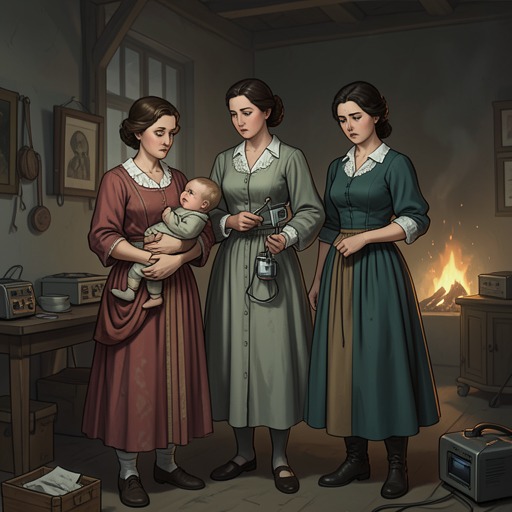
The Deer KingTohma—Kiya is the relationship between Tohma, a young man from Oki, and his mother, Kiya, who emigrated there from Zol as a child. Their household connects a close family bond to the pressures of frontier life: Kiya’s migration and Zolian ancestry shaped the family’s place among local clans, while the household struggled to sustain its livelihood.
Family and Background
Kiya came from a family of reindeer herders in the northern outskirts of Zol. Her relatives were forced to abandon the region and resettle, and she emigrated while still a young girl. Disease and accidents gradually reduced her family, leaving those who remained to struggle. Ohma’s family came to their aid; mutual assistance was familiar in both communities, and the two families grew close. Kiya and Ohma’s attachment developed within that relationship, while their relatives continued living nearby and helping one another.
Tohma is identified as Kiya’s son and Ohma’s son. Kiya’s background also gave Tohma Zolian ancestry. That connection mattered materially as well as personally: in the family’s community, taxes were lighter for people with Zolian blood, but the reduction applied only to Kiya and Tohma, not to the whole household.
Household Pressures
Tohma’s family could barely make ends meet, yet had to pay a head tax on every reindeer. The limited tax relief associated with Kiya and Tohma’s ancestry did not ease the household’s wider burden enough to resolve its difficulties. With the family close to disaster, Ohma sold some reindeer and tried raising pyuika, which were taxed less heavily. Lacking the knowledge needed to raise and breed them successfully, however, he could not make the plan work.
The family’s experience unfolded within a larger system of conquest and classification. Aquafa became a province of the Zolian Empire and its people received ordinary-citizen status, but the mountain clans of the Toga region were not recognized as Aquafaese, despite speaking the language and having defended the kingdom’s borders. Under Aquafa’s former king, those clans had enjoyed a measure of autonomy in return for allegiance; Zol’s refusal to recognize them as citizens put their continued residence in their homeland at risk. Imperial policy relocated lower castes to other conquered territories, so civic classification could determine whether a community remained where it lived or was forced to resettle.
Migration and Belonging
Kiya’s migration reflects another part of the same frontier system. Poor farmers and herders from the edges of the Zolian realm were ordered to settle newly conquered borders and build communities in the Zolian manner. They were expected to establish Zolian crops, livestock, and towns and to mingle with the conquered population, helping transform the territory into Zolian land. Such settlers received advantages: their taxes were lower than at home, and land they cleared for farming belonged to them. But the ability to return to their former home was lost, and the grief of that separation remained a lasting cost.
Kiya’s family history thus places her between migration and local attachment. Her kin settled near Ohma’s family and continued a mutual-support relationship, while the family’s mixed ancestry also affected its tax position. The evidence presents these conditions as part of the household’s circumstances, not as a change in the mother-son bond: Kiya remains identified as Tohma’s mother, whose background is one strand of the family’s precarious life in Oki.