Zolian Frontier Settlement Policy
The Deer KingThe Zolian Frontier Settlement Policy was a system of frontier colonization that turned migration, farming, and herding into instruments of imperial expansion. Poor settlers were moved into conquered territories to build Zolian communities and alter the land’s population and economy; the policy could benefit the migrants while deepening the dispossession of the people already there.
Purpose and Administration
Zol’s conquest did not make every conquered population equal under imperial rule. Aquafa became a province, and its inhabitants were treated as ordinary citizens, but the mountain clans of the Toga region were not recognized as Aquafaese or granted Zolian citizenship, despite speaking Aquafa’s language and having defended its borders. Under the former King of Aquafa, the clans had retained a degree of autonomy in return for allegiance. After conquest, their status was instead shaped by the empire’s management of its frontiers.
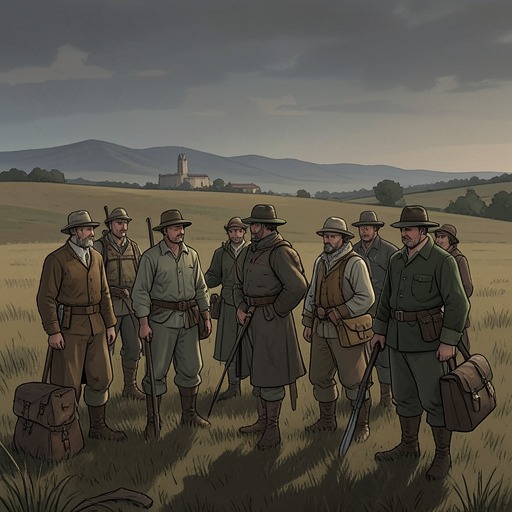
The settlement policy deployed poor farmers and herders from the edges of the Zolian realm as an unarmed vanguard. As imperial borders expanded, these settlers were ordered to move into new territories, establish communities in the Zolian manner, and raise the crops and livestock preferred by Zolians. Their presence was meant to transform conquered lands into Zolian territory gradually, through settlement and economic change as well as rule.
The policy was backed by administrative knowledge of frontier populations. Tax officers gathered information about even nomadic groups in remote areas such as the Oki Valley and Toga Mountains, recording where people lived and their ages. The records were detailed enough to support efforts to locate Van, although some people evaded tax officials by hiding in the woods. In the account of the policy, population records thus served both routine tax administration and the state’s capacity to identify people across dispersed regions.
Unequal Status and Displacement
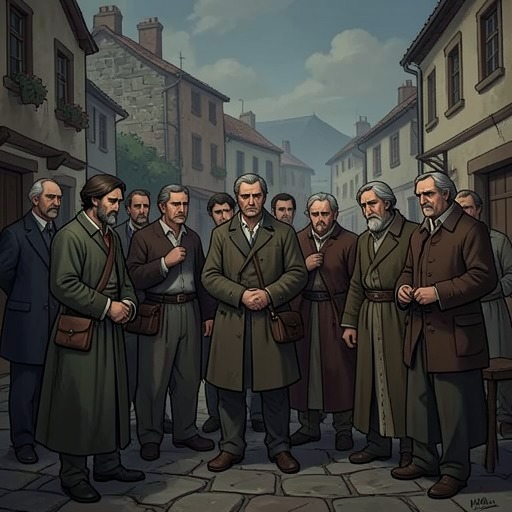
For the Toga clans, the distinction between ordinary citizenship and lower status carried immediate consequences. Zol’s policy was to relocate lower castes elsewhere in its conquered territories. The clans feared that, without recognized citizen status, they would be forced to abandon their homeland and make a living in unfamiliar places. The former king could negotiate to spare their lives, but could not determine their imperial status or guarantee that they could remain.
The Gansa elders therefore considered a strategy of feigned resistance. They hoped a display of armed opposition would demonstrate that the clans could serve as useful allies and protect Zol’s new western flank against Mukonia, perhaps earning permission to stay in the mountains. The Lone Antlers, a band of warriors who had pledged to shield the Gansa, made this quasi-resistance conceivable. Their role reveals the stakes of the settlement system: local military usefulness might be offered as a bargaining argument against removal, but the clans’ continued residence depended on imperial decisions about status and frontier management.
Settlers, Land, and Livelihood
The settlers were not described as wealthy agents of empire. They were poor farmers or herders who had lived on the margins of Zolian territory and were ordered to move when the borders expanded. The policy offered them lower taxes than they would have paid at home and gave them outright ownership of the land they cleared. For tenant farmers bound to landlords, those terms could bring real advantages. Yet the gain came with a lasting cost: many grieved that they could never return to their native lands.
The consequences were especially visible on the Yukata Plains, once home to the Ahfal Oma and their fire horses. Zol requisitioned the horses’ stud animals and turned the plains into pasture for sheep brought by Zolian immigrants. Settlers also cultivated rye and beans. Rye could thrive in the plains’ poor soil, but it was toxic to fire horses: many died after eating it. The resulting conflict culminated in the burning of an immigrant village, the intervention of Zolian soldiers, the execution of those blamed for the uprising, and the expulsion of the Ahfal Oma from the plains. A policy that could offer land to newcomers thus helped make the original inhabitants a people without a homeland.
The ecological effects were not reducible to a simple contrast between useful settlement and destructive change. One official observed that the plains resembled Zol’s fields and that hardy black rye might support a larger population and make the region more prosperous. Tomasolle countered that the plains had their own vegetation and animal relationships, and that converting them to sheep pasture and rye fields upset the local balance. The disagreement shows how the same landscape could be understood either as room for population growth or as a distinct ecology whose existing uses were being displaced.
Costs and Continuing Consequences
The policy’s pressures reached into ordinary family economies as well as collective displacement. Tohma’s family, already struggling to survive, faced a head tax on every reindeer; the lighter rates for people with Zolian ancestry applied only to Kiya and Tohma and offered limited relief. Ohma sold reindeer and tried raising pyuika, which were taxed less, but the family’s breeding efforts failed for lack of knowledge. More broadly, Oki families had bought pyuika from traders without being told about mohoki, a lichen essential to managing the animals. If breeding failed, indebted families risked destitution and heavier taxes, while successful herding could benefit Zolian soldiers who might use the animals.
The policy therefore linked imperial expansion to a hierarchy of citizenship, managed relocation, tax differences, and land use. Its frontier settlers could receive land and escape some burdens of their former circumstances, even as their settlement helped convert conquered territory and narrow the prospects of its native communities. The tension is built into the system: people themselves were moved to consolidate imperial power, but those sent to do so also bore the grief of displacement, while the costs of the new economy fell unevenly on settlers, native peoples, and local livelihoods alike.