
The Anarresti Labor System
The DispossessedThe rotating labor system supports a society without wages but becomes increasingly contested when scarcity, expertise, and informal power shape who does what.
increasing Bearing strength in each event
 decreasing
Bearing strength in each eventdecreasingWork as Shared Practice
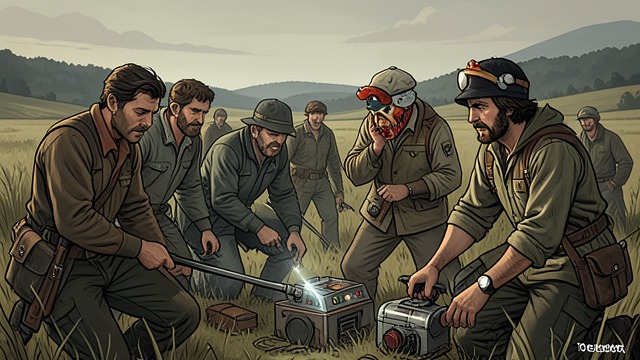
Labor Without Wages
Work and play joined
Anarresti language uses one word for work and play, reflecting the ideal that useful activity can also be a source of pleasure. People choose tasks by ability and interest where possible.
The social bargain
Rotating labor and community coordination handle necessary tasks without a labor market. The system depends on participation and the belief that no person should be forced into a life-damaging job.
The Dust Posting
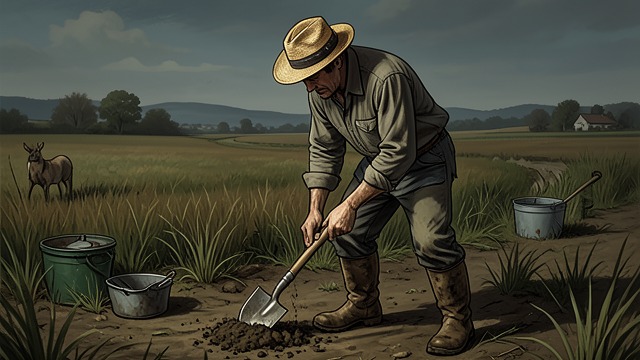
A Scientist in the Fields
An unwanted assignment
Shevek resents being sent to the afforestation project instead of continuing physics. The work is physically exhausting and seems to waste his strongest abilities.
Collective accomplishment
He eventually takes pride in the planted seedlings and the work done together. The experience complicates any simple opposition between individual vocation and shared necessity.
Famine Makes Posting Urgent
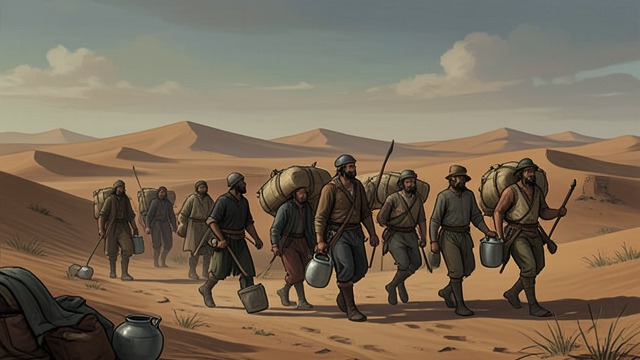
Need Reorders the System
Emergency labor
PDC sends people to farms, transport networks, and other urgent work as food and water become scarce. The system’s flexibility is tested on a planetary scale.
Temporary measures endure
Emergency planning helps keep people alive, but repeated crises create centralized routines and a growing expectation that individuals accept assignments without question.
The Lists at Elbow
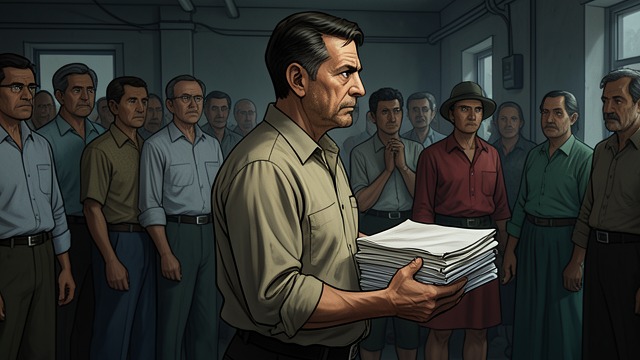
A Job That Decides Who Eats
Rations tied to labor
Shevek is assigned to make lists determining which workers receive full, reduced, or half rations. The sick may be unable to work their way back to health because their food is reduced.
Refusal as moral action
Shevek quits rather than continue deciding who should starve. Someone else takes over the task, making clear that individual refusal cannot by itself repair a system built around the choice.
Labor and Individual Function

Work Must Leave Room for Choice
Vocation recognized again
Shevek argues that his scientific work is a real contribution even when it does not immediately produce food. A society should coordinate individual abilities rather than erase them.
Responsibility without compromise
He accepts that collective life sometimes requires sacrifice, but not the destruction of personal initiative. The labor system’s legitimacy depends on preserving both shared necessity and freedom to refuse.
During the description of ordinary life on Anarres
When Shevek is eighteen
During the drought years
During Shevek’s famine assignment at Elbow
Near the ending, after Shevek returns to Abbenay
