
Shevek’s Anarresti Revolution
The DispossessedShevek’s political development moves from faith in an egalitarian society through recognition of its informal coercion toward a renewed practice of dissent.
increasing Bearing strength in each event
 decreasing
Bearing strength in each eventdecreasingThe Shared Sun

Learning Non-Ownership
A lesson in sharing
When another child crowds him from a patch of sunlight, young Shevek cries that the sun is his. The matron answers that nothing belongs to him and that use depends on sharing.
An ideal and its limits
The lesson gives Shevek a language for Anarresti ethics. Later experiences will show him that a society can reject private property yet still guard privilege and punish difference.
Belief in Voluntary Order
Defending the Society
Freedom as responsibility
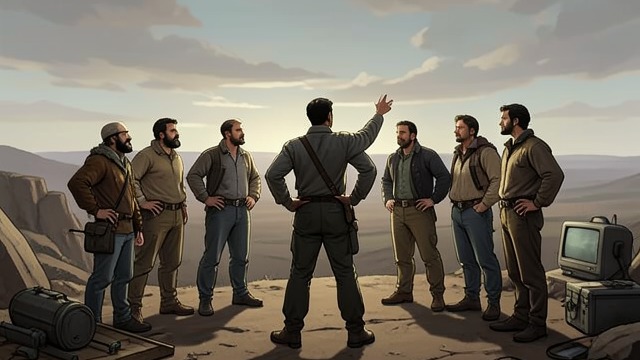
Shevek argues that Anarresti people remain together through shared responsibility, not laws or police. To leave the community, he says, would mean losing the freedom that makes it work.
Doubt enters the argument
Bedap asks whether the society knows enough about Urras to judge it honestly. Shevek’s confidence is genuine, but the challenge exposes how strongly received opinion can shape what a supposedly open society permits people to imagine.
The Unofficial Wall

Custom Becomes Power
Institutional resistance
Shevek encounters restrictions on publication, teaching, and correspondence despite the absence of formal government. Sabul and established syndicates can shape his opportunities through customary influence.
A new political vocabulary
Bedap calls this power an unadmitted government maintained by public opinion. Shevek initially rejects the diagnosis, but the treatment of dissenters will make its truth increasingly difficult to evade.
The Family Pays
Dissent Enters the Home
Social disapproval spreads
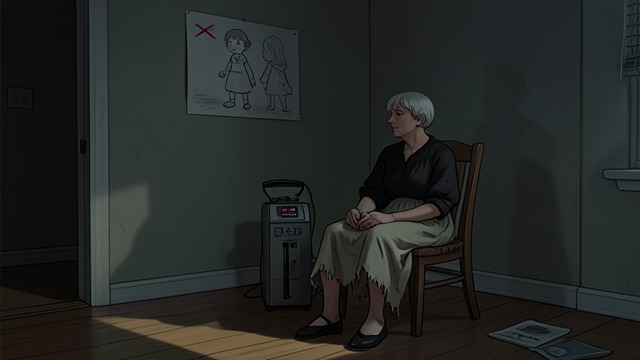
Shevek and Takver’s association with the Syndicate of Initiative draws hostility, and Sadik is ostracized at her learning center. Political disagreement reaches a child through everyday custom.
The cost of belonging
Shevek sees that the society’s social conscience can function as punishment without law. His family’s pain forces him to distinguish solidarity from conformity.
A Permanent Revolution

Freedom Requires Action
Initiative reclaimed
Shevek rejects the Institute’s attempt to absorb him and returns to the Syndicate of Initiative. He and Takver plan a press that can circulate work excluded by established channels.
The unfinished experiment
Shevek understands revolution as a continuing practice, not a completed founding event. Anarres remains worth defending precisely because its ideals must be renewed against its own habits of control.
In early childhood at the nursery
During adolescence at Northsetting Regional Institute
After Shevek settles at the Abbenay Institute
During the famine years, after Shevek returns from Southrising
Near the ending, after Shevek returns from Urras
