
Tirin’s Vulnerability and the Play
The DispossessedTirin’s comic attack on property and conformity is followed by public reprimand, repeated displacement, and a lasting collapse into isolation.
increasing Bearing strength in each event
 decreasing
Bearing strength in each eventdecreasingThe Prison Game
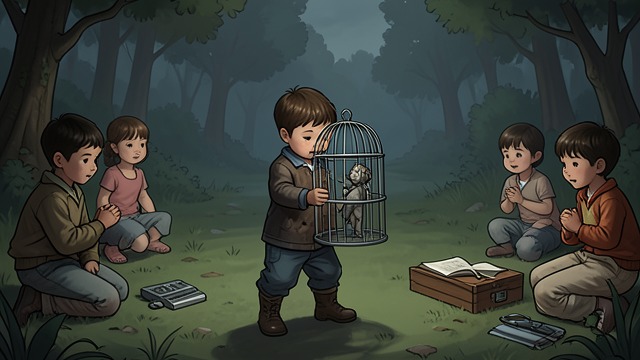
Children Test Coercion
An experiment in confinement
Tirin helps build a cell and proposes locking Kadagv inside. The game turns from imaginative play into a real exercise in authority when the children decide how long to keep him imprisoned.
A troubling discovery
Shevek eventually insists on opening the cell, disturbed by the group’s enjoyment of power. The episode foreshadows how easily people can become instruments of a role they thought they were only pretending to perform.
The Satirical Play
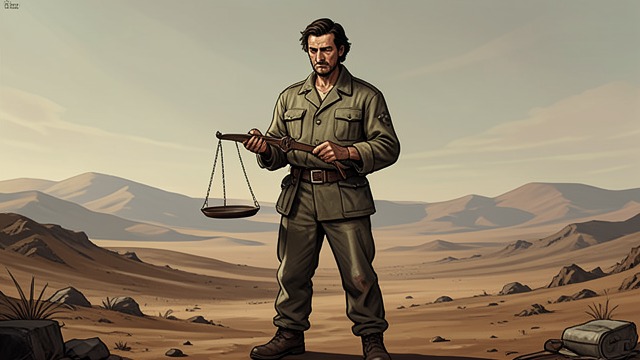
An Owner on Anarres
Property made ridiculous
Tirin writes a comedy about an Urrasti who tries to buy, sell, and possess his way through Anarres. Its jokes expose the absurdity of importing property relations into a society built around sharing.
Comedy misread as disloyalty
The play’s satire is treated as potentially anti-Odonian. What might have been an invitation to think becomes a test of conformity.
Public Reprimand
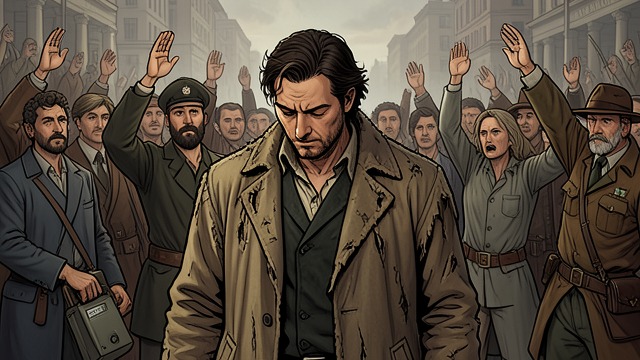
The Community Condemns a Joke
A public correction
Tirin is reprimanded before his peers. The ritual, once used to limit domineering managers, now serves to tell an individual to stop thinking independently.
Shame turns inward
Bedap believes the censure helps drive Tirin toward bitterness and mental distress. The community does not need a law to isolate him; its public judgment is enough.
Repeated Postings
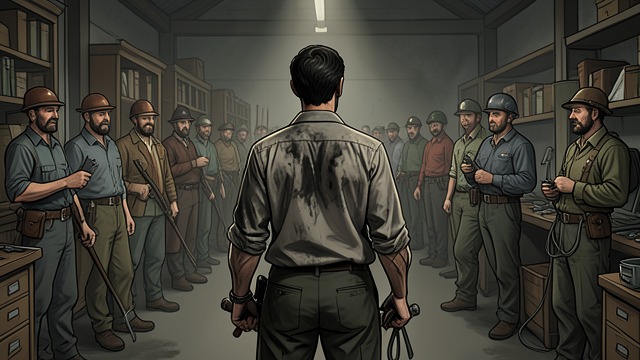
A Life Displaced
Work without a chosen direction
Tirin requests work and is repeatedly sent to physical labor far from his earlier life as a student. He moves between postings and loses contact with friends.
The difference between choice and custom
Shevek sees that the official ability to refuse does not mean refusal is emotionally or socially easy. Tirin’s story makes visible the costs of being labeled dysfunctional.
The Asylum and the Unfinished Play
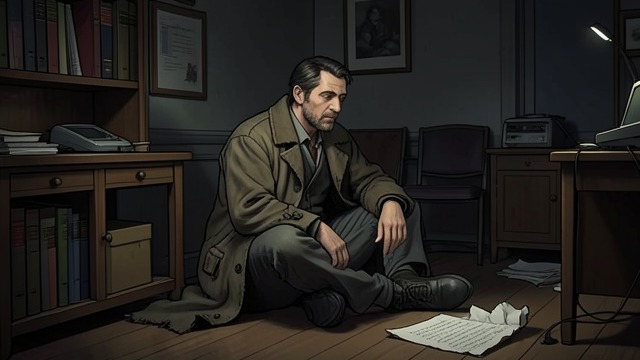
A Rebel Left Behind
A damaged encounter
Shevek meets Tirin again and finds him a destroyed person, still returning to the same play. He cannot tell whether the asylum protected Tirin or whether the years of social rejection broke him first.
The cost of not listening
Tirin’s fate haunts Shevek because the play is not simply a failed work: it is an act that the community could not receive. Shevek later chooses to publish it as part of reopening space for dissent.
During childhood at the learning center
A year after Shevek leaves Northsetting
Soon after the play is staged
In the years after Tirin’s reprimand
Years later, during Shevek’s famine posting in Elbow
