
Forgiveness and the Future
The Five Love LanguagesThis thread traces how the book distinguishes forgiveness from forgetting and connects it to renewed intimacy.
increasing Bearing strength in each event
 decreasing
Bearing strength in each eventdecreasingHurtful Words Remain
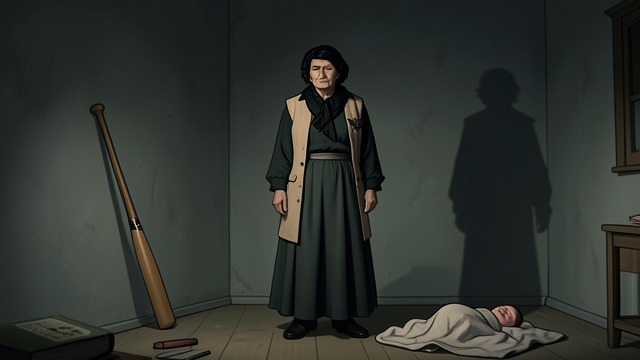
The Past Cannot Be Erased
Failure is acknowledged
The book accepts that spouses sometimes say or do hurtful things. Confessing the wrong and asking forgiveness cannot undo the past.
A decision follows
The person who was hurt must decide whether to pursue retaliation or mercy. The choice shapes whether renewed intimacy remains possible.
Justice or Forgiveness
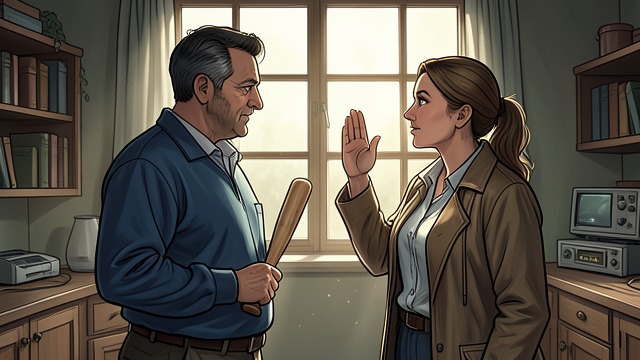
Two Ways Forward
Revenge deepens separation
Choosing to punish a spouse for a confessed offense makes one partner judge and the other a permanent offender. The relationship becomes harder to repair.
Mercy opens a door
Forgiveness is presented as a commitment not to hold the offense continually against the person. It does not claim the hurt was unreal or erase accountability.
Yesterday Enters Today
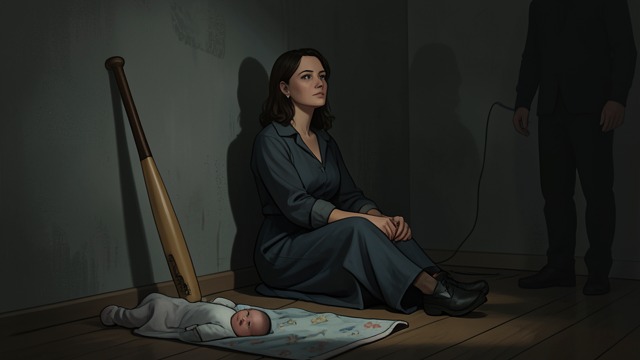
A New Day Is Polluted
Old failures are repeated
A spouse may bring yesterday's wrongdoing into every new conversation, insisting that the offense will never be forgotten. The injured person remains trapped in the event.
History is accepted, not denied
Chapman argues that the past should be acknowledged as history rather than used to prevent all future connection. This distinction makes forgiveness a practical choice.
Kindness After Admission
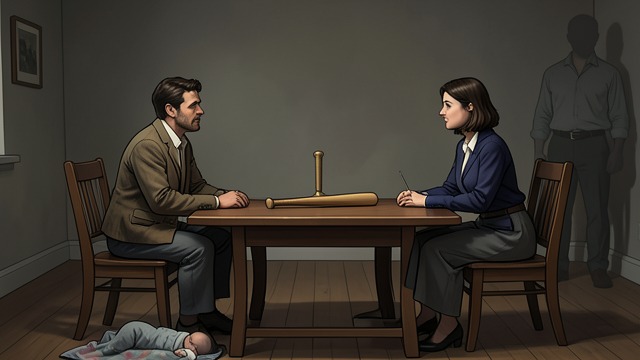
Mercy in Daily Speech
The relationship continues
A forgiving spouse can say that hurt remains while refusing to let the offense define the partner forever. The speaker invites both people to learn and move forward.
Affirmation is restored
Such words express care without pretending the failure did not happen. They offer a path back to intimacy through truth and compassion.
Intimacy Becomes Possible
Love Makes Repair Possible
Trust is rebuilt through action
Forgiveness does not finish the work of reconciliation. Partners must also change behavior, communicate needs, and make choices that protect the relationship.
A future is reopened
The book treats forgiveness as one way love can move beyond past failure. It supports a growing marriage without promising that every injury disappears quickly.
During the chapter on kind words
After a spouse confesses a wrong and asks pardon
During Chapman's examples of lingering marital resentment
After the offender acknowledges failure
After a couple chooses forgiveness and changed behavior
