
Five Languages, Five Kinds of Need
The Five Love LanguagesThis thread traces how the five languages frame different kinds of desired recognition and connection.
increasing Bearing strength in each event
 decreasing
Bearing strength in each eventdecreasingPraise Misfires
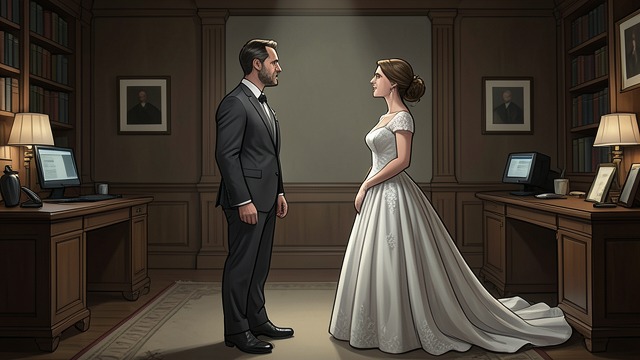
Affirmation Without Reception
A sincere effort
The passenger praises his third wife and says he is proud to be her husband. He believes his words are loving and continues using them after marriage.
A missing response
His wife does not experience those statements as sufficient evidence of care. The story establishes the first form of conflict: intention and reception do not match.
Attention Is Missing

Compliments Do Not Solve Loneliness
Bill tries one language
Bill and Betty Jo exchange affirmations, and Bill feels encouraged. Betty Jo still says that he is too busy to spend time with her.
A conflict is clarified
Their case shows that a partner may recognize a gesture as kind without experiencing it as the central form of love they need.
Gifts Dismissed as Waste

A Symbol Misunderstood
Jim's view
Jim believes greeting cards are wasteful because recipients look at them and discard them. He has not considered their symbolic value to Janice.
Janice's interpretation
The absence of gifts contributes to her feeling that he takes her for granted. Their conflict concerns what a gesture represents, not simply what it costs.
Service Becomes Demand

Help Under Pressure
A shared language, different expectations
Both Mark and Mary value service, but each wants specific tasks the other is not doing. Mark's criticism and demands make Mary resist helping.
The flow is obstructed
Their case shows that even a potentially meaningful action can lose its affectionate quality when coerced. The conflict eases only when requests become voluntary and concrete.
Touch Is Read as Rejection

Silence Around Physical Affection
Pete withdraws
Pete stops initiating touch after interpreting Patsy's lack of response as rejection. He does not tell her what he is feeling.
Patsy misreads the silence
She assumes touch matters less to him after marriage and focuses instead on time together. Each partner responds to a different perceived problem, deepening the distance.
In the opening passenger story
During Betty Jo's first repair attempt
Before Jim attends the marriage seminar
During Mark and Mary's churchyard argument
During Pete and Patsy's early marital distance
