
Ashley and the Need for Connection
The Five Love LanguagesAshley's brief account traces the path from family loss and emotional loneliness to a risky search for affection.
increasing Bearing strength in each event
 decreasing
Bearing strength in each eventdecreasingParents Separate

A Childhood Loss
A child's interpretation
Ashley recalls her parents' divorce and believes her father's departure means that he no longer loves her. The adult change becomes personal rejection in her understanding.
A lasting absence
Her memory gives the book a concrete example of how a child may interpret family disruption emotionally, regardless of a parent's intentions.
A New Household
Her Mother's Remarriage
Changed family attention
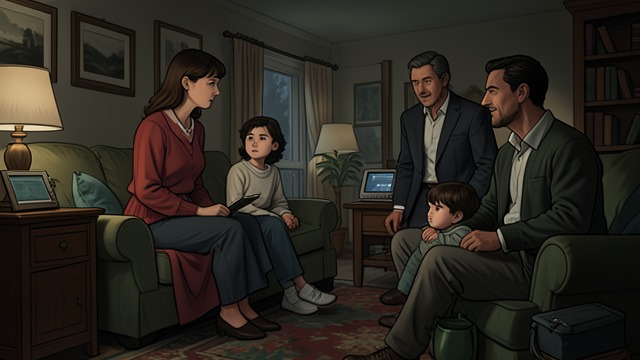
After her mother remarries, Ashley feels that her mother now has someone to love, while Ashley remains alone. She interprets the new household as further evidence of exclusion.
Needs remain unseen
Her mother and stepfather provide for her physical needs but do not recognize the depth of her emotional struggle. The contrast illustrates the gap between caring intentions and felt affection.
Meeting the Older Boy

A Promise of Attention
Kindness feels exceptional
Ashley meets an older boy who likes her and treats her kindly. Because she longs to be loved, his attention becomes unusually powerful.
Vulnerability deepens
The story links her private loneliness to the importance of a relationship that seems to promise acceptance. It does not portray her choice as a simple desire for sex.
Sex in Search of Love

A Risky Attempt at Belonging
Her stated motive
Ashley tells Chapman that she did not want sex but wanted to be loved. Her account reframes her behavior as a search for emotional attachment.
The consequences surface
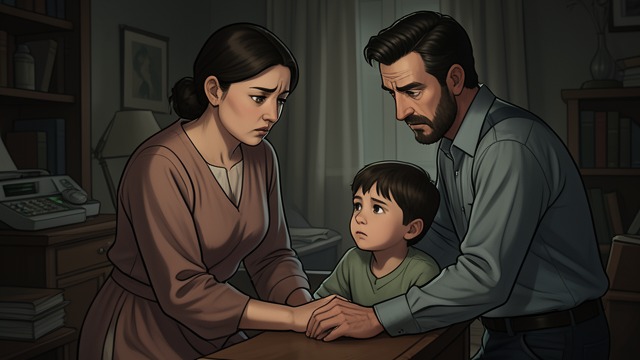
She is being treated for a sexually transmitted disease, and her parents are angry and bewildered. The crisis exposes how little they understood her inner life.
A Need Recognized
Care Beyond Provision
The adults reconsider
Ashley says that her mother and stepfather met practical needs without realizing how alone she felt. Their love had not reached her in a way she recognized.
A cautionary example
Her experience supports the book's call for attentive communication, though it is offered as an illustrative account rather than a complete explanation of adolescent behavior.
When Ashley is six years old
When Ashley is ten years old
At school before Ashley turns thirteen
When Ashley is thirteen
During Chapman's conversation with Ashley
