
Care During Crisis
The Five Love LanguagesThis thread follows the book's insistence that presence and touch can become especially meaningful when life turns painful.
increasing Bearing strength in each event
 decreasing
Bearing strength in each eventdecreasingA Crisis Creates Need
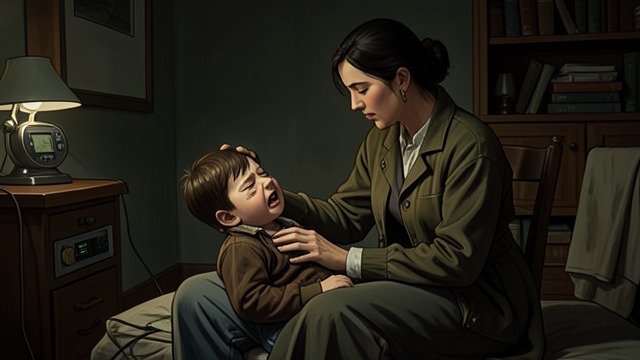
Love at a Difficult Moment
Words may not be enough
The book notes that illness, accidents, bereavement, and disappointment cannot always be changed. A person in crisis may need to feel cared for before anything can be fixed.
The response is relational
A spouse can offer comfort by remaining present and attentive. The meaningful gesture depends on the person and the circumstances.
A Need to Be Held

Contact as Reassurance
An immediate gesture
For a person whose primary language is physical touch, holding them while they cry can express care more clearly than advice. The gesture says that they are not alone.
Memory remains
The book suggests that tender contact can be remembered long after a crisis ends. Its absence may also remain painful.
The Funeral Decision
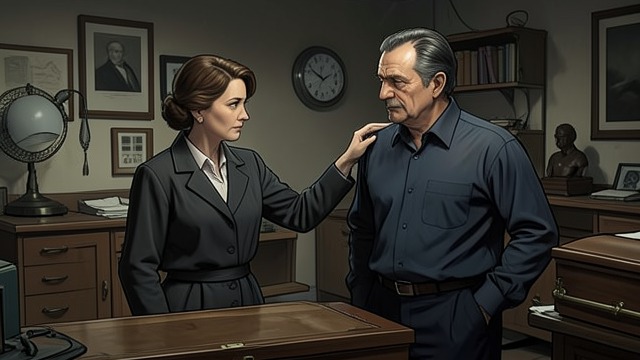
Support Chosen Over Work
A wife's decision
A woman tells her supervisor she will spend the full day with her grieving husband rather than return to work after the funeral. She believes he needs her support.
The husband feels loved
He later says the choice made him feel more loved than ever. Her presence communicates a priority that words alone might not have established.
The Symbolic Presence
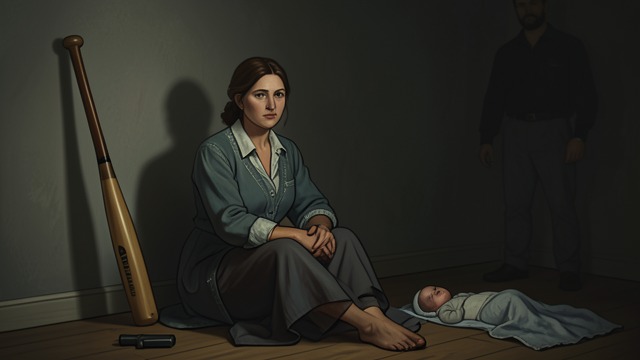
Absence Has Meaning
Jan remembers two departures
Don leaves after the birth of their baby and after her mother's funeral to play softball. In both moments Jan wants him to remain physically beside her.
A lesson comes into focus
Chapman explains that presence can function as a gift, especially during crisis. Don's good intentions do not erase how his absence felt to Jan.
Presence Becomes Understood

Hurt Is Heard
Don explains his view
He believes he stayed through the important events and had helped extensively before Jan's mother's death. He had expected a chance to rest afterward.
Jan's language is recognized
As they discuss the incidents, Don understands that Jan needed him to remain. The conversation allows her to forgive and him to interpret presence as an expression of love.
When a spouse faces bereavement, illness, or another crisis
During an episode of grief described in the touch chapter
On the day of a husband's mother's funeral
During the discussion of Jan's two painful experiences
During Don and Jan's later counseling conversations
