
Romantic High and Marital Reality
The Five Love LanguagesThis thread traces how idealized romance gives way to ordinary conflict and why the book distinguishes infatuation from chosen love.
increasing Bearing strength in each event
 decreasing
Bearing strength in each eventdecreasingThe Beloved Seems Perfect

Attention Becomes Obsession
Flaws are overlooked
The newly infatuated person sees the beloved as ideal and discounts concerns raised by friends or family. The relationship seems capable of overcoming any obstacle.
Confidence outruns knowledge
The feeling of certainty arrives before ordinary life has fully tested the couple. This imbalance sets up a later confrontation with reality.
Marriage Becomes Ordinary
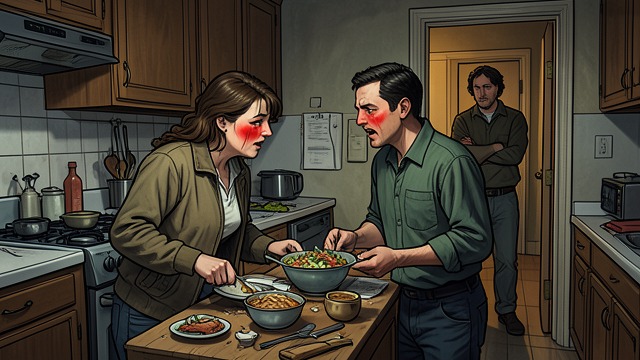
Daily Habits Come into View
Small irritations accumulate
Household mess, competing routines, and disagreements about chores replace the effortless harmony the couple expected. A look or word can now hurt.
Intimacy is tested
The change can make former lovers feel like adversaries. The book presents ordinary friction as a predictable challenge rather than proof that the relationship was never real.
Differences Assert Themselves
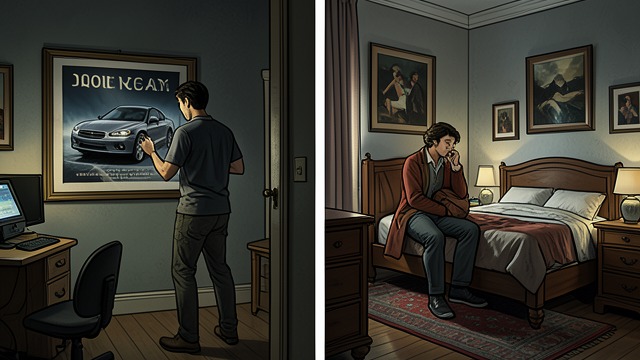
Separate Desires Reappear
Conflicting priorities
One partner wants sex, another is tired; one wants a new car, the other rejects the expense. Individual preferences become impossible to ignore.
The illusion dissolves
Chapman describes partners as distinct people whose minds and emotions never permanently merged. Their task becomes learning how to negotiate difference without relying on romantic euphoria.
The Exit or the Work
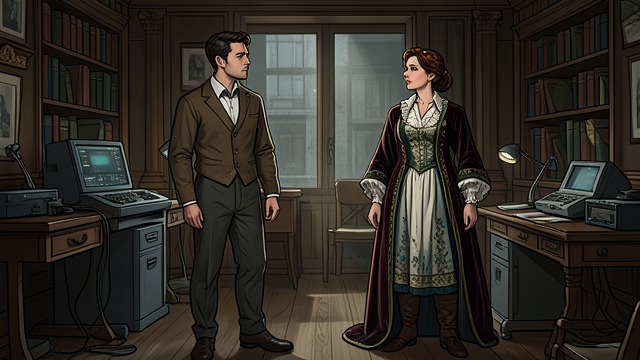
Two Responses to Disillusionment
Leaving promises a new high
Some couples withdraw, separate, or search for another romantic obsession. The book notes that subsequent marriages do not eliminate the risk of failure.
Another possibility
Partners may instead learn deliberate ways of caring for one another. This choice does not deny their differences but seeks a workable relationship beyond infatuation.
Conflict in a Loving Climate

Difference Without Warfare
Emotional security changes discussion
When partners feel more loved, the book argues, they may be better able to discuss disagreement without treating each other as threats.
Resolution remains active work
Love does not solve every problem automatically. It provides a climate in which people may seek understanding, negotiate, and bring out the best in one another.
At the height of a new romance
After the wedding, as the initial high recedes
After partners return to everyday life
At the point when partners feel they have fallen out of love
After partners begin speaking one another's primary languages
