
Love Across Generations
The Five Love LanguagesThis thread traces the book's expansion from marital communication to the emotional languages children may understand.
increasing Bearing strength in each event
 decreasing
Bearing strength in each eventdecreasingFive Languages in Childhood
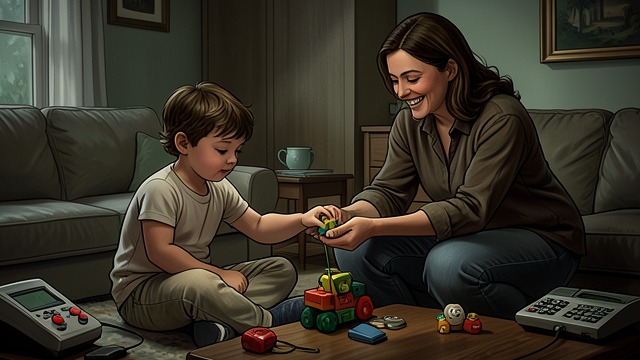
A Model Applied to Children
Different children, different signs
The book suggests that a child may reveal preferences through requests, gifts, help, praise, or physical affection. Parents may not know a child's language immediately.
Broad affection at first
For very young children, Chapman recommends offering all five kinds of care while observing which seem most meaningful.
A Request for Attention

The Paper Interrupted
Repeated invitations
Patrick asks his father to come see a project. When his father continues reading the paper, Patrick finally jumps into it to get attention.
The need is named
Chapman interprets the child's insistence as a request for quality time. The example shows how a child's behavior can be an attempt to secure focused attention.
Gifts and Helpful Actions
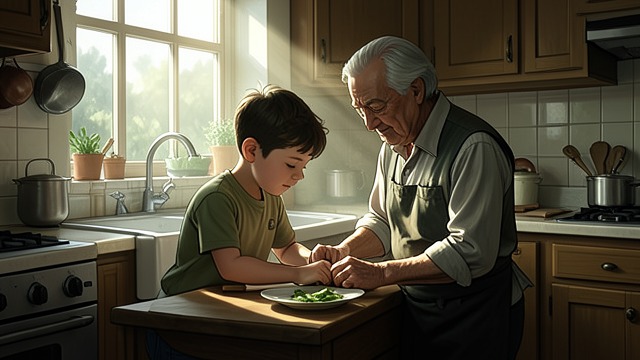
Children Express Their Preferences
Patterns offer clues
A child who eagerly gives presents may value receiving gifts; one who helps siblings may value acts of service. These are possibilities parents should observe.
No conscious strategy required
The book describes such behavior as an expression of emotional desire, not calculated bargaining. A child's repeated gestures may show what feels caring to them.
A Parent's Gift May Miss
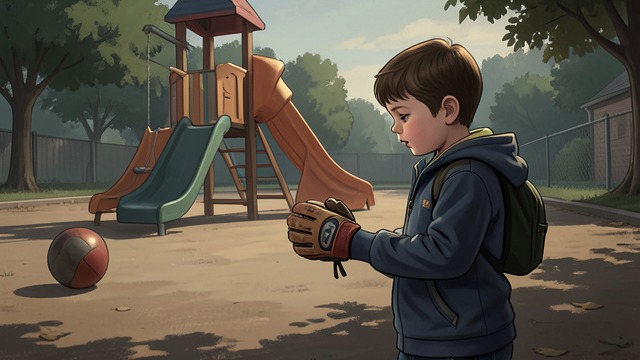
Intention and Reception Diverge
A material expression
A parent may buy a ball glove believing it communicates love. The child may actually want someone to play ball with.
Attention changes the meaning
The book uses this contrast to show why sincerity is not enough. Parents must learn how affection registers for the child receiving it.
The Family Climate Changes
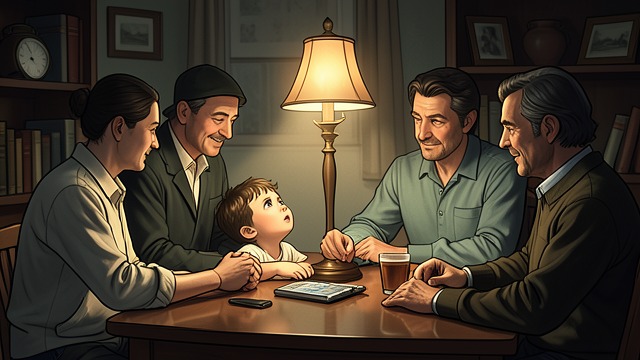
Love Becomes Understandable
Old children can be approached
Parents who realize they have missed a child's language can acknowledge the error and explain their wish to do better. The conversation need not be limited to young families.
Connection can reopen
When family members respond to one another's preferences, Chapman expects the emotional climate to improve. The larger theme is that loving intentions become more powerful when they can be received.
When parents begin observing a young child's behavior
When Patrick is five and a half
During the chapter's examples of children's behavior
When parents buy equipment instead of joining a child's activity
When family members begin speaking one another's languages
