Ashley Has Sex with an Older Boy in Search of Love
The Five Love LanguagesAshley’s encounter with an older boy is presented as a painful search for the love she felt was missing. At thirteen, she was being treated for a sexually transmitted disease; in recounting her experience, she connected her decision to the loneliness she associated with her parents’ divorce and her mother’s remarriage. The account makes her unmet emotional need, rather than a lack of material care, central to understanding what happened.
Background and Family Circumstances
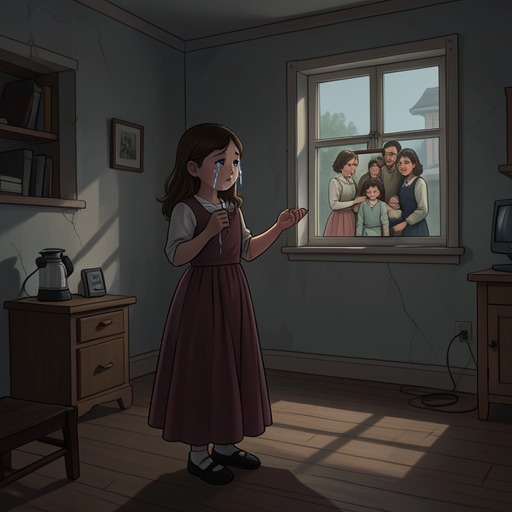
Ashley’s parents divorced when she was six. She later explained that she thought her father had left because he did not love her. When her mother remarried four years later, Ashley felt that her mother now had someone to love her, while she herself had no one. These family changes shaped Ashley’s perception of her place in the household, even though the account does not say that her parents intended to reject her.
The Encounter and Its Meaning
Ashley met an older boy at school who liked her and treated her kindly. She came to believe that he loved her, and said that she did not want sex but wanted to be loved. The book relates this explanation to the fact that she was being treated at thirteen for a sexually transmitted disease, without describing the sexual activity itself. Her account thus distinguishes the intimacy she was seeking from the consequences of the choice she made while seeking it.
Parental Care and the Unrecognized Need
Ashley’s mother and stepfather had provided for her physical needs and loved her, but they had not recognized the depth of her emotional struggle. They believed she felt their love; they discovered only when matters were nearly too late that they were not communicating in the way she most needed. The book describes Ashley’s emotional “love tank” as having been empty for years, using that image to explain how a child’s unmet need for affection can contribute to misbehavior. It does not suggest that material provision alone could meet that need.
Significance in the Book
Ashley’s story anchors the book’s argument that behavior can be a misguided search for love, and that a child may experience emotional isolation even within a family whose adults care for her. It also introduces a concern that extends beyond childhood: the need to feel loved persists into adulthood and marriage. In this account, recognizing Ashley’s need reframes the question her parents asked about why she acted as she did, shifting attention from blame to the gap between the love they felt and the love she could recognize.