Janice (Chicago couple case)
The Five Love LanguagesJanice (Chicago couple case) is the wife whose account of a marriage near collapse becomes a concrete example of the book’s central claim: love must be expressed in a form the other person can receive. For years, she felt rejected despite her own efforts to care for Jim and their children. After attending a marriage seminar, Jim began giving gifts, and the change in his behavior helped restore her sense of being loved and transformed their marriage.
Identity and Background
Janice and Jim both grew up on farms in central Illinois, less than a hundred miles apart, and moved to Chicago shortly after marrying. When she recounted their experience, they had been married for fifteen years and had three children. Her story is presented by Gary D. Chapman, whom the couple met at a marriage seminar and later told about the change in their relationship.
Marriage in Crisis
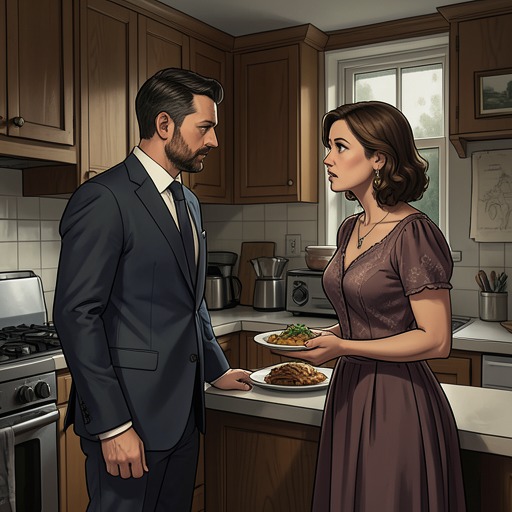
Janice said that she had spent years asking Jim for love without feeling that he responded. She described him as methodical and governed by routine, someone whose habits seemed impossible to interrupt. Meanwhile, she tried to fulfill what she understood to be a good wife’s responsibilities: cooking, washing, and ironing, as well as meeting Jim’s expectations for their household. She also had sex with him because she knew it mattered to him, but did not feel loved in return; she felt used and unappreciated.
Jim’s practical assurances deepened the divide rather than addressing it. When Janice spoke about her feelings, he pointed to paid bills, their nice house and new car, and her freedom to work outside the home or not. He believed their marriage was as good as anyone else’s in the community and did not understand why she was unhappy. Janice felt that he was rejecting her experience instead of trying to understand it.
By the time the couple attended Chapman’s Chicago seminar for the first time, Janice was desperate and seriously considering leaving Jim; she had told him so. She said their marriage had felt empty for a long time, that she had given up, and that she had come to hate him. She still loved their children and knew they loved her, but felt that love was absent between herself and Jim. The seminar initially gave her little reason to expect a change: Jim did not discuss its ideas with her afterward, and she did not ask him to, having already lost hope.
A Change in the Language of Love
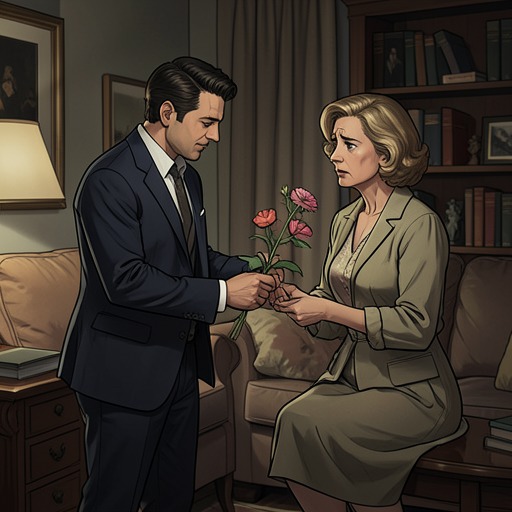
The account’s turning point is the shift from Jim’s assumptions about what should make Janice happy to a form of affection she could recognize. In the days following the seminar, he brought the children boxes of Cracker Jacks and gave Janice a small potted plant, explaining that a rose would die and that he thought she might like something that lasted. The gesture was striking precisely because it departed from his established routine.
The gifts continued through the week. Jim gave Janice a card saying that he could not always express his love but hoped the card would show how much he cared. She cried and hugged and kissed him. He then suggested that they get a babysitter and go out to dinner on Saturday. On Friday, he bought each of them a favorite cookie and kept the purchase a surprise, telling them only that he had a dessert treat. After their dinner, Janice told him she did not understand what was happening. She recalled that he had never given her a flower since their wedding, had never given her a card for an occasion, and had taken her out to dinner only once in five years. He had expected her to have dinner ready every night and had not brought home a pizza. Against that history, the gifts and the invitation to go out were a radical change, not ordinary variations on his old habits.
Jim explained that he had understood the seminar’s point: learning the right love language could help another person feel loved. He apologized for having failed for years to meet Janice’s need, told her that he loved and appreciated her, and said that, with God’s help, he intended to be a gift giver for the rest of his life. When she worried that he could not afford to buy gifts every day, he proposed giving one at least once a week, making some himself, or picking a free flower from the front yard in spring. His promise made gift-giving a continuing practice rather than a brief burst of spending.
Relationships and Aftermath
Janice later reported that Jim had not missed a single week of gift-giving in the three years since the seminar. She described him as like a new man and said that the marriage had become very happy; their children called the couple “lovebirds.” Her image of her emotional love tank being full and overflowing expresses the consequence she attached to his consistency: she felt loved in a way his earlier assurances about material security had not achieved.
The change did not mean that Jim had previously felt unloved. When Chapman asked him about his own experience, Jim said that he had always felt loved by Janice, citing her housekeeping, cooking, care for his clothes, and work for the children. The contrast exposes the mismatch at the heart of their difficulty: Janice’s practical service had communicated love to Jim, while his material provision and routine had not met her need for gifts and felt appreciation. Her account thus distinguishes genuine affection from effective communication of affection. In the book’s wider argument, learning a spouse’s primary love language is an intentional choice; the case shows that the change in expression, maintained over time, can alter the emotional climate of a marriage.