
Giuseppina’s displacement
The Florios of SicilyThis flow traces Giuseppina Saffiotti’s loss of home, isolation in Palermo, and gradual accommodation to a life she never chose freely.
increasing Bearing strength in each event
 decreasing
Bearing strength in each eventdecreasingLeaving her home
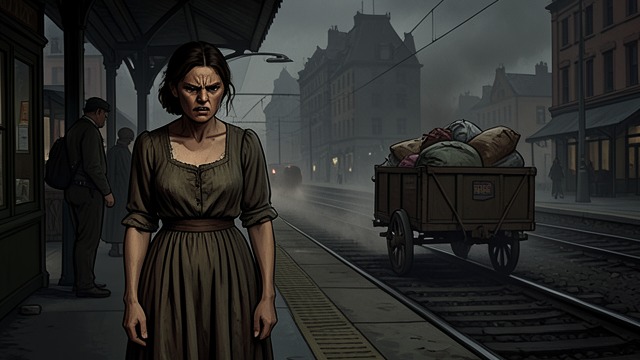
Leaving her home
An unwanted departure
Giuseppina Saffiotti opposes Paolo Florio’s decision to leave Bagnara, where her family, memories, and property are rooted. He insists that his wife and child will go with him.
A poor arrival
The home assigned to her in Palermo is dark, dirty, and far smaller than the house she left. Her anger and shock make clear that the move has cost her status as well as place.
She enters the city not as a partner in the decision but as someone carried along by her husband’s authority.
Loneliness and loss
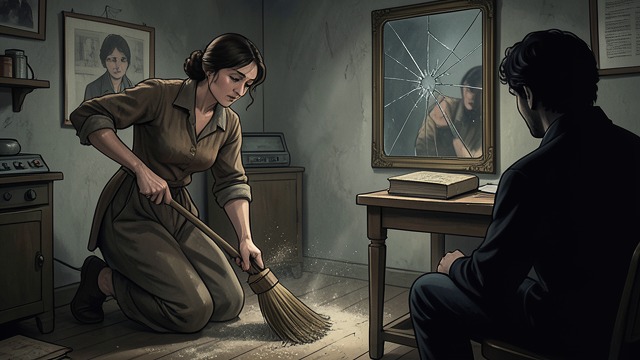
Loneliness and loss
A constrained household
Giuseppina Saffiotti spends long days in the cramped home while Paolo Florio and Ignazio Florio work. Her ties to Mattia Florio are among her few sources of comfort.
Miscarriage and grief
Pregnant and unsure whether she wants another child, Giuseppina loses the pregnancy after exhausting herself with housework. Her private distress is made worse by the belief that she has sinned and by Paolo’s failure to recognize her condition.
The loss intensifies the emotional distance in her marriage and leaves her more dependent on the quiet attentiveness of Ignazio.
A difficult peace
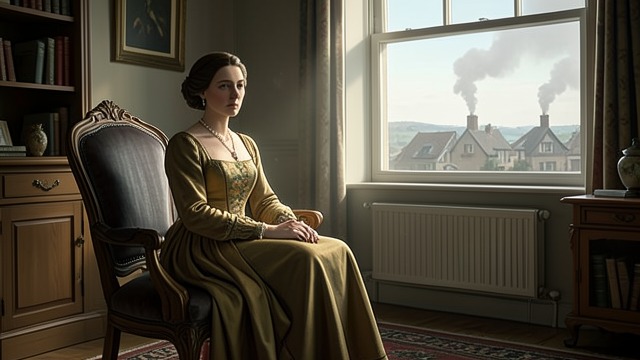
A difficult peace
A home made by others
As the Florio business prospers, Giuseppina gains better clothes and servants, but material comfort does not return her to Bagnara. She remains aware that her life’s direction was decided by men.
The family she keeps
She cares for Vincenzo Florio and lives beside Ignazio Florio, whose affection she cannot openly accept. After Ignazio dies, her resentment toward the family gives way to grief and regret.
Her later years reveal how adaptation can look like contentment while still carrying the ache of a lost home and a love never fully lived.
October to November 1799
1800 to 1807
1810s to 1828
