
A city between conquests
The Florios of SicilyThis flow traces Palermo’s recurring subjection to external powers and how its inhabitants negotiate survival, autonomy, and identity.
increasing Bearing strength in each event
 decreasing
Bearing strength in each eventdecreasingA capital in turmoil
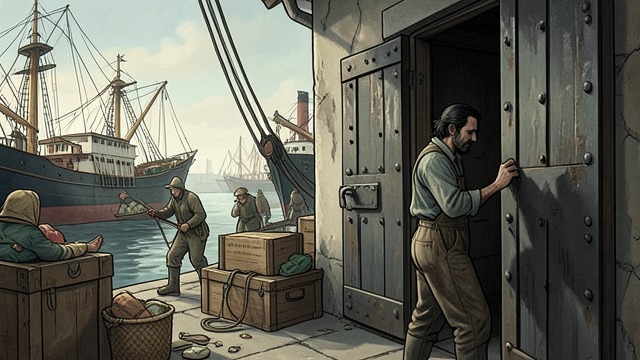
A capital in turmoil
Royal flight and upheaval
The Neapolitan Republic and French military victories drive the Bourbon court to Palermo. The city becomes a refuge, a port of exchange, and a place shaped by political uncertainty.
Opportunity and danger
The turmoil brings merchants and sailors but makes coastal trade vulnerable to conflict and brigandage. The Florios choose maritime commerce partly because streets and roads feel less safe.
Palermo’s opportunities emerge from its instability, making the city both a refuge and a risky marketplace for newcomers.
Autonomy undone
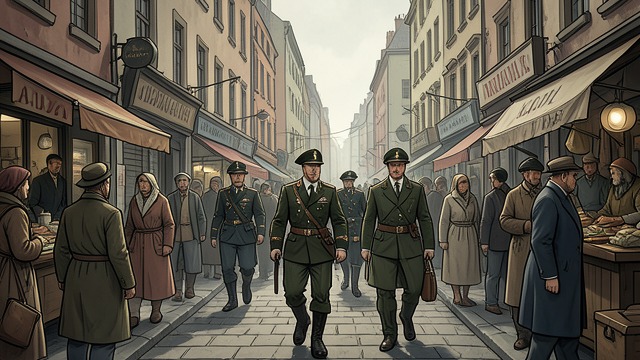
Autonomy undone
Central authority imposed
The Bourbon monarchy unites the kingdoms and abolishes Sicily’s constitutional settlement. Neapolitan officials and military commanders take greater control of the island.
Local discontent
Trade restrictions and heavier taxes deepen economic strain. The Florios work within this political environment, where commercial decisions are affected by administrative power beyond Palermo.
The loss of autonomy remains a source of grievance and recurs in later attempts to remake Sicily’s political future.
A conquered city again

A conquered city again
New liberators arrive
Giuseppe Garibaldi’s forces enter Palermo in 1860, bringing the collapse of Bourbon rule and the prospect of Italian unity. The Florios negotiate with the new authorities to protect their ships and secure a future for their business.
New rules from Turin
After annexation, officials extend the northern kingdom’s laws and trading system to Sicily without adapting them. Vincenzo Florio resents the new administration’s demands and fears that Sicily has become a subordinate province.
The end of Bourbon rule does not end the experience of being governed from elsewhere; the language of liberation gives way to another dispute over control.
1799 to 1806
1816 to 1821
1860 to 1866
