
Women’s constrained choices
The Florios of SicilyThis flow traces how women in the novel negotiate marriage, motherhood, reputation, and limited authority within patriarchal households.
increasing Bearing strength in each event
 decreasing
Bearing strength in each eventdecreasingA wife without a vote

A wife without a vote
A forced move
Giuseppina Saffiotti is told that she must leave Bagnara because her husband has decided to settle in Palermo. Her house and dowry give her material standing, but not a recognized right to choose where she lives.
Resistance within limits
She argues fiercely with Paolo Florio, yet his authority prevails. Her resistance reveals a woman’s ability to speak without possessing the power to make the decision binding.
The family’s move makes patriarchal obedience visible as a daily structure rather than an abstract rule.
Motherhood under pressure
Motherhood under pressure
Private decisions
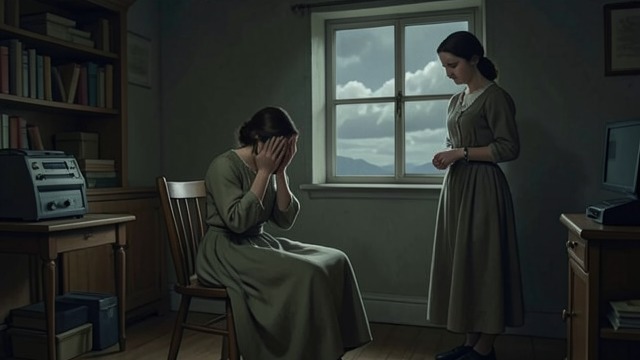
Giuseppina Saffiotti struggles with an unwanted pregnancy and the religious belief that ending it would be sinful. Giulia Portalupi later faces family pressure to leave Palermo when pregnant outside marriage.
Reputation enforced
Both women make choices inside social systems that define women’s worth through marriage, fertility, and sexual respectability. Their decisions carry consequences for their homes and children.
The novel presents motherhood as intimate love but also as a site where family authority and public judgment limit women’s autonomy.
Daughters demand a future

Daughters demand a future
Unequal expectations
Angelina Florio challenges her father over the social isolation of his daughters and the special treatment given to their brother. She identifies the gendered rules that make her future depend on marriage.
A life beyond the house
Angelina’s marriage to Luigi De Pace offers security and a household of her own. Giulia Portalupi Florio supports her daughters’ dignity rather than treating their marriages as instruments for family prestige.
Their choices show how women may gain room to act, but often only by leaving the household in which they were denied a voice.
1799
1800s to 1830s
1850s
