
Giulia’s claim to dignity
The Florios of SicilyThis flow traces Giulia Portalupi Florio’s struggle to move from dependent mistress to recognized wife and to defend her daughters from the stigma she endured.
increasing Bearing strength in each event
 decreasing
Bearing strength in each eventdecreasingA hidden relationship

A hidden relationship
A restricted place
Giulia Portalupi lives apart from Vincenzo Florio’s household as his mistress. Her family offers little comfort, and social respectability remains beyond her reach.
Choosing motherhood
Pregnant with Vincenzo’s child, Giulia refuses pressure to leave Palermo or end the pregnancy. She knows the cost of remaining but insists that the child belongs to her.
Her choices assert a measure of agency within a relationship still dominated by Vincenzo’s economic and social power.
A name for the family
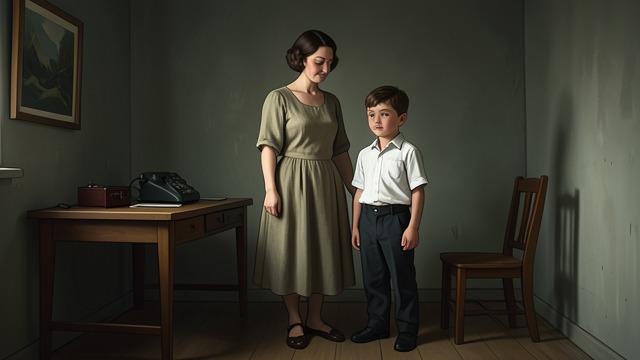
A name for the family
A son changes the terms
After Giulia gives birth to Ignazio, Vincenzo promises to acknowledge the children and give Giulia his name. She has waited years for a promise that will end their public concealment.
Marriage and recognition
Vincenzo acknowledges the children and marries Giulia in 1840. The civil ceremony is small, but it changes her legal and social position.
Recognition comes only after prolonged uncertainty and the birth of a son, exposing the patriarchal condition placed on Giulia’s dignity.
A wife still judged

A wife still judged
A new public role
Giulia hosts business dinners and manages a household worthy of Casa Florio. Her competence cannot prevent elite women from treating her as a social inferior.
Defending her daughters
She challenges Vincenzo’s plan to trade the daughters’ marriages for prestige, insisting that they must not endure the humiliation she knew. Her own experience gives her the courage to oppose his authority.
Giulia’s later dignity is earned through work and resistance, not granted simply by marriage or wealth.
1833 to 1838
December 1838 to January 1840
1840s to 1860s
