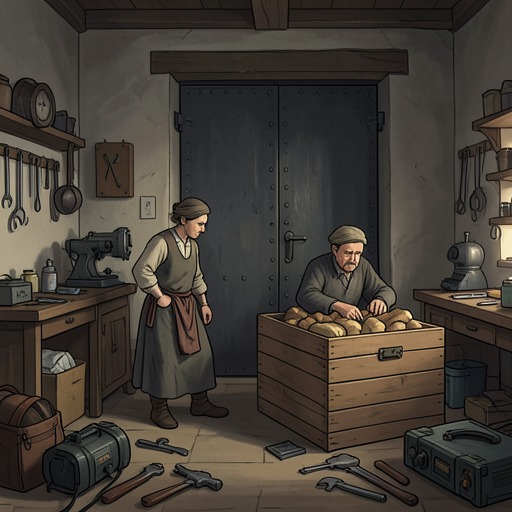
Florio quinine-sale authorization
The Florios of SicilyThe Florio quinine-sale authorization was a royal concession that let the Florios sell quinine powder beyond Palermo, turning an existing medicinal-goods business into a plan for regular distribution across Sicily. Its arrival late in 1824 crowned a careful campaign by Ignazio and Vincenzo, but the new reach threatened established apothecaries and immediately brought the cost of commercial expansion into view.
Background: a trade built across long routes
The Florios’ ambition took shape in a market transformed by overseas commerce. Spices and medicinal goods moved through many hands and across long distances before reaching a sales counter; each stage of transport raised their cost. At the beginning of the nineteenth century, British and French merchants were bringing products from their colonies, and growing supplies, open harbors, and lower prices diversified trade. Palermo’s aromatari had their own guild and church, while the number of merchants able to enter the business was rising.
For the Florios, the trade depended not only on what they sold but on how goods were routed and stored. They rented guarded warehouse rooms within the Palazzo Steri property, behind the customs offices. Because import tariffs were due only when goods entered Palermo, keeping merchandise in transit there allowed wholesalers to pay rent rather than incur tax prematurely. Their stock included Indian spices obtained through British channels and goods from French colonies, purchased in Livorno and carried to Palermo by Italian sailors. This network had brought the firm forward, though it had not yet made it as wealthy as the Canzoneris. The Via dei Materassai stockroom had become too small.
From a machine to an island-wide plan
The immediate opportunity grew from Vincenzo’s plans for quinine. When Ignazio saw the machine Vincenzo had discussed buying in a letter from London, he recognized what sealed jars of the medicine could make possible: a market extending beyond Palermo to the whole of Sicily. Vincenzo shared that ambition, but Ignazio and Maurizio warned that the Florios lacked enough people and that apothecaries would resist. The expansion was not simply a technical matter of packaging; it threatened merchants who already bought quinine from the Florios and profited by reselling it in their own shops.
Vincenzo’s answer was that the family already held authorization for medicinal powders. They had not yet used it, but he saw it as the basis for selling quinine directly. Ignazio understood the consequence for the apothecaries: the Florios’ retail sales could cut into their profits. Rather than proceed without addressing the conflict, he proposed an application to the viceroy. The days that followed were spent drafting it carefully and testing the waters through informal conversations.
Petition and royal concession
Ignazio and Vincenzo then went in person to see Pietro Ugo delle Favare, the viceroy of Sicily. They waited with other petitioners on brocade couches in a high-ceilinged room, while palace clerks regarded them with a mixture of curiosity and contempt. Their velvet clothes did not erase the clerks’ sense that merchants were presumptuous to expect an audience. Ignazio, by contrast, did not allow the servants’ birth or status to dictate how he approached the meeting.
The license arrived at the end of 1824. Shortly before Christmas, a document bearing the royal seal reached the office responsible for sales rights. News passed through Palermo’s bookkeepers’ rooms and grocery stores before reaching the Florios in Via dei Materassai. The concession named five places beyond Palermo where they could now sell quinine powder: Licata, Canicattì, Marsala, Alcamo, and Girgenti. This was the decisive change: a proposed island-wide market had become a legally authorized network of destinations.
Distribution, resistance, and commercial stakes
The Florios celebrated in the office, passing glasses of wine as Maurizio Reggio toasted the family and its workers. Ignazio connected the new right to a practical delivery plan. The family had acquired a share in the schooner Assunta a few months earlier, and he proposed using it to carry quinine throughout Sicily. The powder would be packed in sealed bottles, closed with wax and marked with the Florio seal; deliveries were planned for every month. The license thus joined legal permission to a shipping asset, secure packaging, and a regular schedule.
The threat to existing sellers surfaced almost immediately. Shouts drew Ignazio, Maurizio, and Vincenzo into the aromateria. Two frightened women customers were leaving, their wrapped purchases abandoned on the counter, as Carmelo Saguto accused the Florios of corruption and tried to smash the shop. Francesco, the head clerk, pushed against Saguto’s chest to hold him back. Ignazio stepped over broken glass; among the shards lay the golden powder of a shattered cinnamon jar. The damage made visible the collision between a new route to market and the established interests that route endangered.
The authorization therefore signifies more than a change in the Florios’ sales territory. It gathers several kinds of power into one commercial advance: overseas supply, warehousing and customs practice, medicinal-product rights, political petition, maritime delivery, and branded packaging. It brings the family’s growing reach into direct conflict with apothecaries and their allies, making the promise of island-wide trade inseparable from the resistance it provokes.