
The Tree and the Boy’s Shared Childhood
The Giving TreeThis thread follows the closeness of The Tree and The Boy from playful childhood through the final, quieter form of their companionship.
increasing Bearing strength in each event
 decreasing
Bearing strength in each eventdecreasingFirst Affection
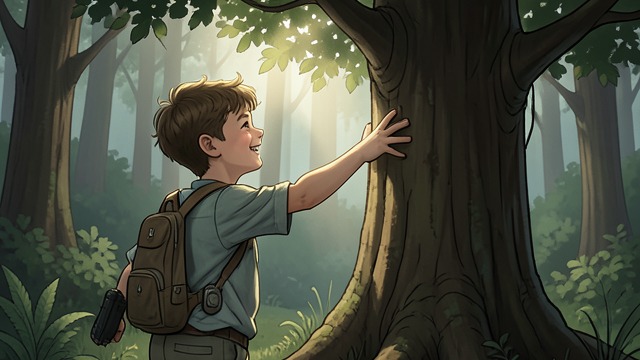
First Affection
The Tree loves The Boy, and The Boy loves The Tree. Their bond begins as an uncomplicated mutual attachment.
A Shared World
The Tree offers a place where The Boy can play, and he returns day after day.
Lasting Importance
This early closeness becomes the emotional measure against which their later distance is felt.
Daily Play
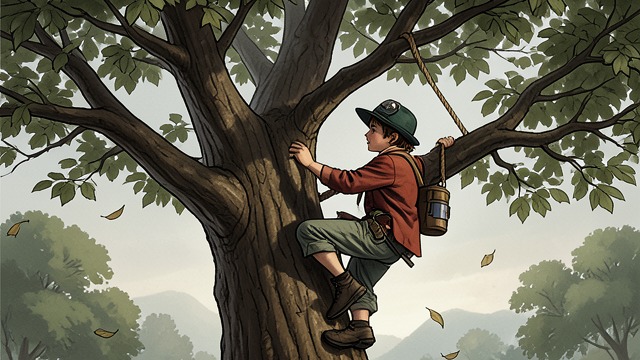
Daily Play
The Boy gathers leaves, makes crowns, climbs, swings, eats apples, and plays games with The Tree.
Repeated Visits
These activities make the tree a setting for ordinary childhood pleasure rather than a single extraordinary adventure.
Reciprocal Joy
The Tree is happy to be part of his days, and their routine gives the relationship its first secure shape.
Quiet Rest
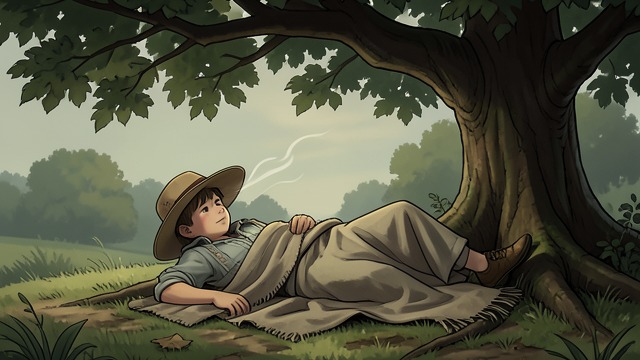
Quiet Rest
When The Boy grows tired, he sleeps in The Tree’s shade. Their companionship includes rest as well as energetic play.
Shelter and Ease
The shade lets The Boy pause without needing anything more from the tree.
A Gentle Balance
At this stage, giving and receiving remain embedded in shared time, before later requests make the exchange more consequential.
Changing Visits
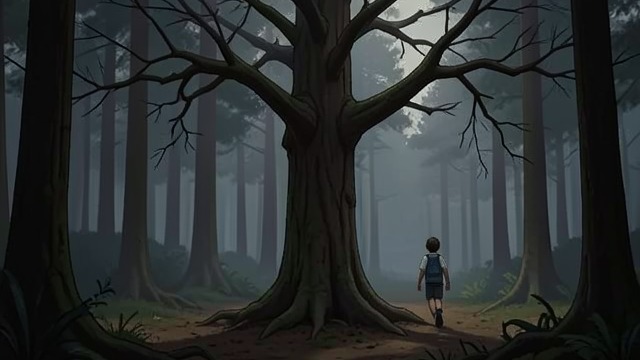
Changing Visits
Time passes, The Boy grows older, and The Tree is often alone. The childhood pattern of daily visits begins to break.
Distance Arrives
The change is gradual, but it alters the tree’s experience of their bond.
Uneven Attachment
The Tree continues to wait and welcome him, while The Boy’s attention moves toward a life beyond their shared play.
Final Companionship
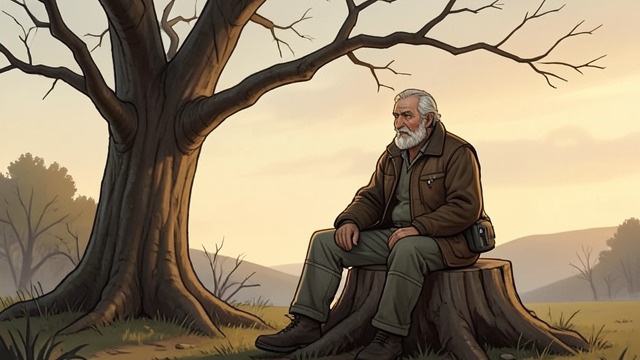
Final Companionship
The Boy returns old and tired, asking only for somewhere quiet to sit. The Tree offers the stump that remains.
A Changed Meeting
Their old games are gone, but The Tree can still make room for him.
Restored Nearness
The ending brings them together through stillness, completing a relationship that has changed in form but not in welcome.
At the story’s opening
During The Boy’s early childhood
Late in The Boy’s childhood
After The Boy begins growing older
At the ending
