
The Boy’s Physical Decline
The Giving TreeThis thread traces the bodily changes that make childhood play impossible and eventually leave The Boy seeking rest.
increasing Bearing strength in each event
 decreasing
Bearing strength in each eventdecreasingAble to Climb
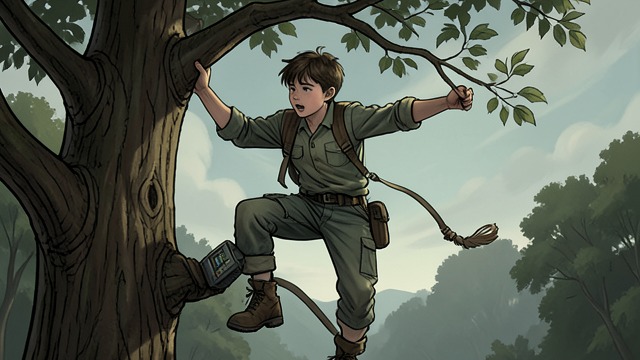
Able to Climb
The Boy climbs The Tree’s trunk, swings from her branches, and eats her apples.
Physical Freedom
His body can take part in the active play that fills their early days.
A Measure of Youth
These movements establish the abilities he will later say he has lost.
Too Big for Play
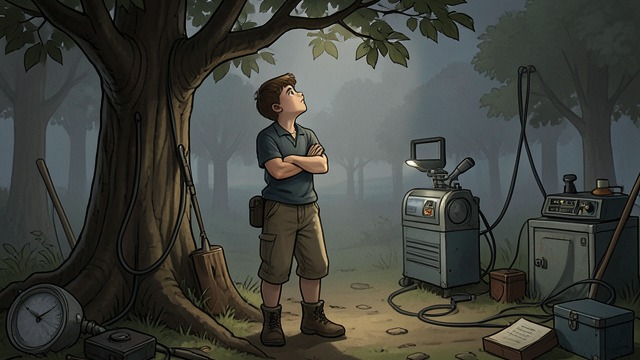
Too Big for Play
The Boy says he is too big to climb and play when The Tree invites him.
Growth Changes Activity
The childhood games no longer fit his sense of himself.
New Desire
Rather than play, he asks for money, turning the visit toward adult wants.
Too Busy to Climb
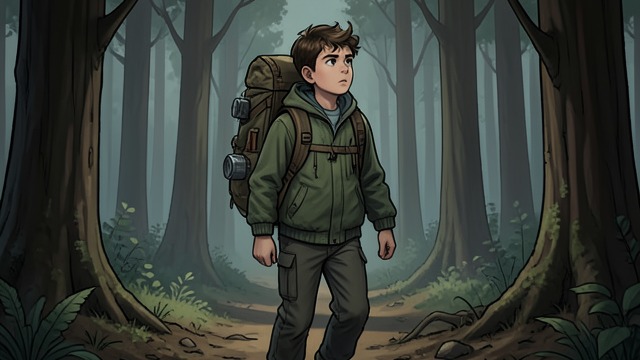
Too Busy to Climb
The Boy says he is too busy to climb trees when The Tree welcomes him to play.
Time Before Ability
His refusal now invokes busyness, showing how his life is occupied beyond the forest.
Changing Relation to Play
The former activity is not simply interrupted; it has lost priority in his life.
Weak Teeth
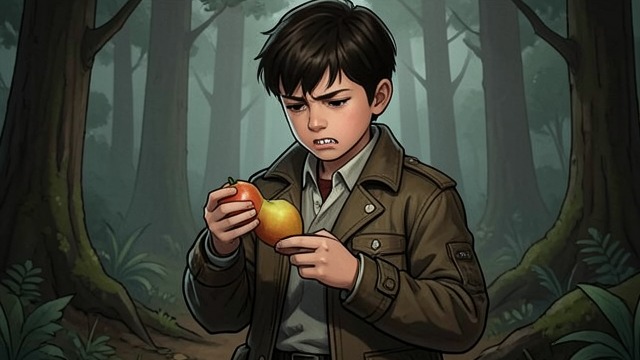
Weak Teeth
When The Tree mentions apples, The Boy says his teeth are too weak for them.
Age Made Concrete
The detail gives his old age a specific physical consequence.
Former Gift Unavailable
An offering once tied to pleasure and play can no longer meet his needs.
Tired at the Stump
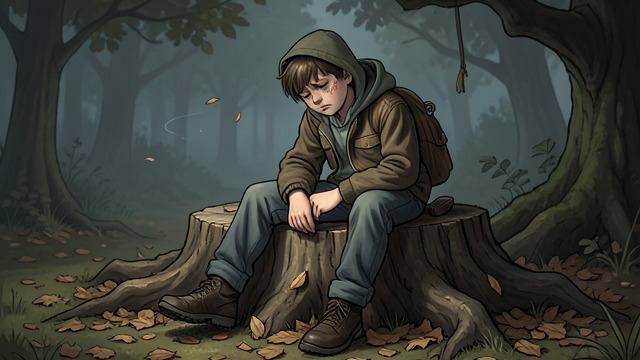
Tired at the Stump
The Boy says he is too tired to climb and asks for a place to sit and rest.
Reduced Capacity
His remaining need is shaped by fatigue rather than ambition or activity.
Final Accommodation
The stump matches the condition of The Boy’s aging body and lets him pause.
During childhood
At his first adult return
At the house-seeking return
At The Boy’s final return
At the ending
