The boy takes the tree’s apples
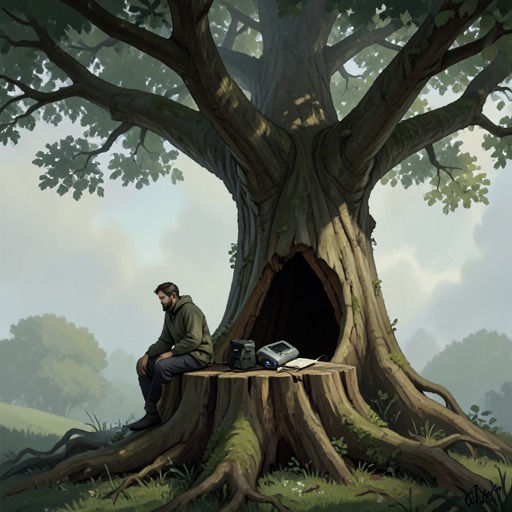
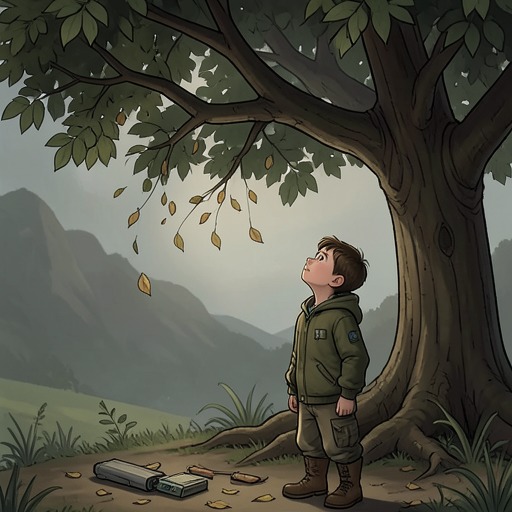
The Giving TreeThe boy takes the tree’s apples in the first major exchange that turns their affection into practical provision. When he returns seeking money, the tree cannot give him cash, but offers her apples for him to sell in the city. He climbs up, gathers them, and carries them away. The tree is happy as he leaves with what he needs; after a long time alone, she is sad. The episode sets a pattern in which the boy’s changing wants prompt the tree to surrender what she has, while happiness and loss coexist in the aftermath.
The Request and the Offer
The scene begins with the tree inviting the boy to climb her trunk, swing from her branches, eat apples, and play in her shade. The offer recalls their earlier companionship, but the boy answers that he is too big to climb and play. He wants to buy things and have fun, and asks for money. His return therefore brings them together while also showing how his priorities have changed: play beneath the tree no longer meets his stated need.
The tree says she has no money and identifies what she can give instead: leaves and apples. She proposes a practical exchange, telling him to take the apples and sell them in the city so that he will have money and be happy. The suggestion connects the tree’s natural abundance to the boy’s goal. Her inability to provide money does not end the encounter; she converts the resources available to her into a means of helping him pursue it.
Gathering and Departure
The boy accepts the offer by climbing the tree and gathering her apples. He carries them away, completing the transfer the tree proposed: the fruit leaves her possession so that he can seek money in the city. The episode presents his taking as permitted and encouraged by the tree, rather than as an act of conflict or refusal. Her generosity is expressed through a concrete resource and a specific action, not through an abstract promise.
His departure changes the scene’s immediate emotional balance. The tree is happy after he has taken the apples, matching her expressed hope that the money will make him happy. Yet the happiness is not the final state of the episode. The narration moves forward through a long interval, and the tree is then sad. The gap makes the cost of the exchange visible in time: the boy has gone, and the tree is left alone until his return.
A Pattern of Giving
The apple episode establishes a structure that recurs as the boy’s needs change. Later, he asks for a house, and the tree offers her branches so he can build one. Still later, he wants a boat, and she tells him to cut down her trunk. These later gifts are not part of the apple-taking itself, but they clarify its place in the larger sequence: the first transfer of fruit anticipates progressively greater sacrifices of the tree’s resources.
The contrast between the boy’s objectives and the tree’s offers gives the exchange its emotional and thematic weight. The boy seeks money to buy things and have fun; the tree seeks his happiness and answers his request with what she can provide. In this scene the cost is the apples, while the consequence is his departure and her ensuing sadness. The recurring declaration that the tree is happy does not erase that sadness; instead, the movement between happiness and loneliness shows how her giving can satisfy her in the moment while leaving her bereft afterward.