
Knecht and Father Jacobus
The Glass Bead GameThis flow traces the intellectual and personal bond through which Knecht learns to see history as lived reality and service as responsibility.
increasing Bearing strength in each event
 decreasing
Bearing strength in each eventdecreasingA Library Encounter

The Historian Appears
First Notice
Knecht meets Father Jacobus in the monastery library and discovers a serious scholar unlike the casual intellectuals around him. Their first exchanges are courteous but guarded.
Mutual Curiosity
Music and historical scholarship open conversation. Their shared interest in Johann Albrecht Bengel establishes an unexpected point of contact.
History against Abstraction
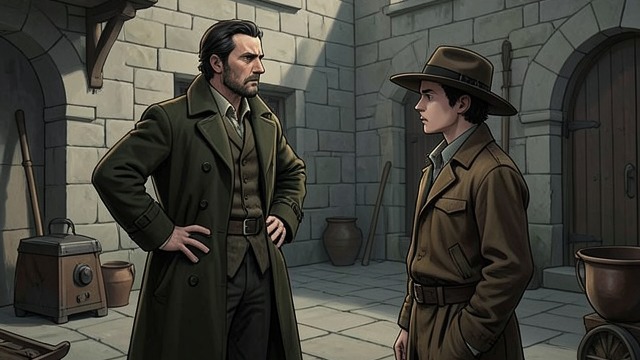
A Serious Dispute
Jacobus’s Critique
Father Jacobus argues that Castalia knows intellectual forms better than it knows the history of peoples and power. He insists that historical study must submit to reality and chaos.
Knecht’s Response
Knecht does not simply reject the criticism. He begins to recognize that his education has left important absences.
Reciprocal Instruction
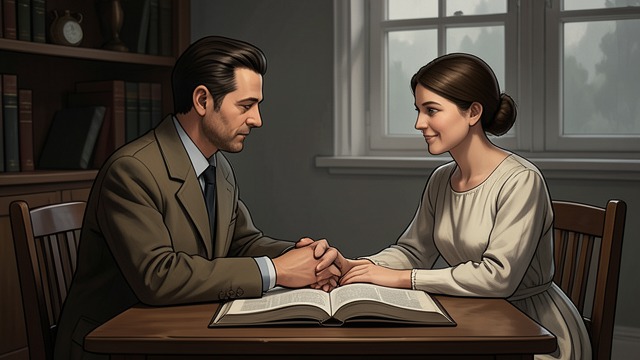
Teacher and Student
Exchange
Knecht teaches Castalian history and the Glass Bead Game, while Jacobus teaches source criticism and the early history of his Order. Authority shifts between them.
Trust
Their intellectual intimacy makes political purpose harder to conceal. Knecht eventually explains the diplomatic mission rather than letting friendship rest on a false premise.
Toward Rome
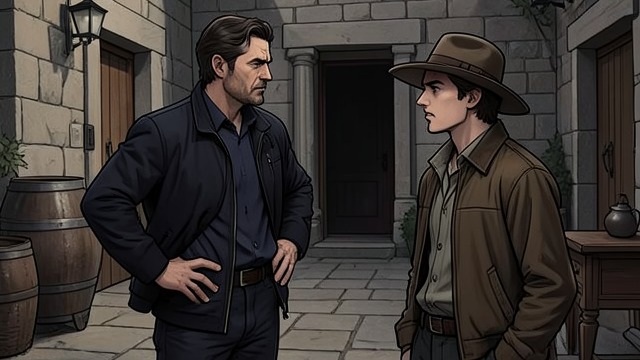
An Alliance Considered
Persuasion
Knecht presents Castalia’s institutions and ideals, while Jacobus tests their claims against religious history. The conversation turns difference into a basis for negotiation.
Political Result
Jacobus agrees to support closer relations between Castalia and Rome. The decision grows from mutual understanding rather than a victory in debate.
A Lesson Continued

History as Responsibility
Absence
Jacobus is no longer present to advise Knecht, but his historical perspective remains active in Knecht’s thought. Castalia appears vulnerable rather than timeless.
Unfinished Dialogue
Knecht wishes he could discuss his final choices with Jacobus. His departure becomes a practical answer to lessons that can no longer be tested in conversation.
During Knecht’s first stay at Mariafels
During their early lessons together
During Knecht’s second Mariafels mission
Near the close of Knecht’s second Mariafels stay
After Jacobus’s death, during Knecht’s final years
