
The Fragility of Institutional Perfection
The Glass Bead GameThis flow traces the tension between Castalia’s beautiful intellectual order and its historical vulnerability to isolation, complacency, and political change.
increasing Bearing strength in each event
 decreasing
Bearing strength in each eventdecreasingThe Ideal of Anonymity

Service over Personality
Institutional Principle
Castalia values anonymity and the subordination of individual identity to the whole. Its ideal is a person whose gifts strengthen shared work.
Unresolved Tension
The narrator still writes a biography of Knecht, whose unusual life resists complete absorption. The act of remembering an individual exposes limits in the institution’s own ideal.
Excellence and Privilege
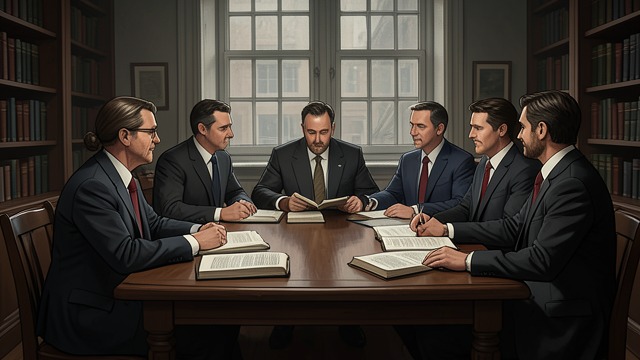
A Protected Elite
Public Support
Castalians receive education, libraries, and a life of study through the resources of the nation. Their austere personal habits do not erase their dependence.
Moral Question
Knecht asks whether the elite serves the wider public enough to justify its privileges. Intellectual excellence alone cannot answer that question.
Aging without History

The Province as an Organism
Declining Contact
Knecht notices that Castalia and the country are moving apart. Its methods remain refined, but its counsel matters less outside its borders.
A Warning Sign
Tegularius’s brilliant isolation suggests how intellectual life may become self-enclosed. The problem is not lack of achievement but loss of connection.
The Coming Political Storm
Dependence Revealed
External Risk
Knecht predicts that war and national austerity could make Castalia’s institutions unaffordable. He identifies the Game as the most vulnerable part of the system.
Rejected Prophecy
The Board considers his arguments but rejects his urgency. Institutional calm becomes a possible form of blindness.
The Schoolmaster’s Alternative
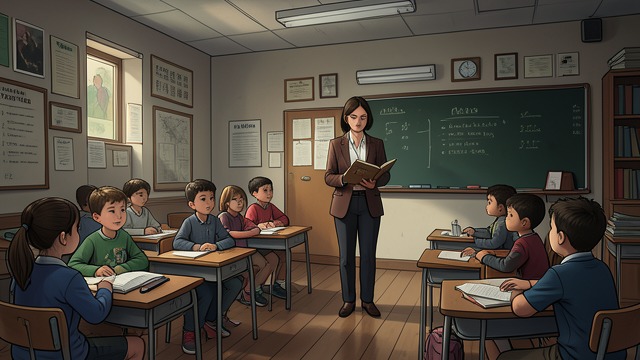
A Modest Proposal
Reordering Priorities
Knecht argues that teachers in ordinary schools may matter more to the nation than elite ceremonies. He asks to lead a school outside Castalia.
Beauty and Use
He does not deny the Game’s worth, but refuses to make its preservation the supreme purpose. The institution’s future requires service beyond its own boundaries.
In the narrator’s account of Castalian tradition
During Knecht’s later reflections on Castalia
After Knecht returns from Mariafels
When Knecht writes his circular letter
In Knecht’s petition to the Board
