
The History of Intellectual Culture
The Glass Bead GameThis flow traces the novel’s account of cultural decline, disciplined renewal, and the recurring danger of intellectual isolation.
increasing Bearing strength in each event
 decreasing
Bearing strength in each eventdecreasingFeuilleton Culture
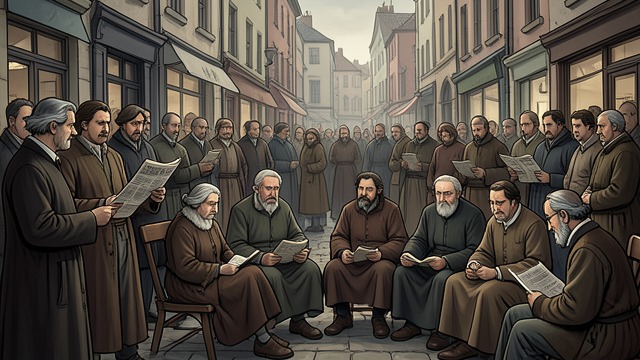
Knowledge as Commodity
Fragmentation
Mass articles and lectures turn culture into scattered facts and fashionable names. Intellectuals may recognize the emptiness but often continue serving its appetite.
Historical Pressure
Political violence and distrust of reason deepen the crisis. Cultural renewal requires more than nostalgia; it requires a new discipline.
Austere Renewal
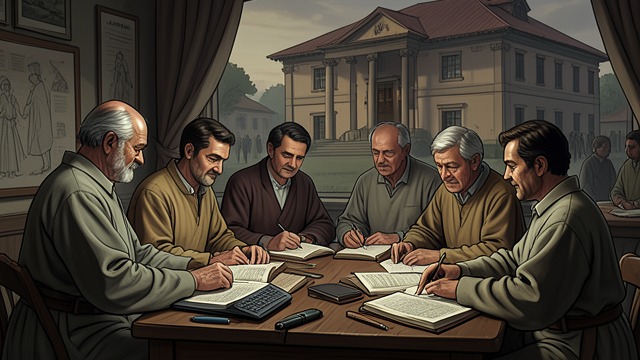
Rebuilding Intellectual Life
New Discipline
Scholars renounce celebrity and cultivate rigorous methods. Musicology, mathematics, and meditation help restore standards of intellectual honesty.
Institutional Achievement
Castalia emerges as a protected community devoted to education. Its achievement answers chaos, but its success contains the possibility of complacency.
The Game’s Synthesis
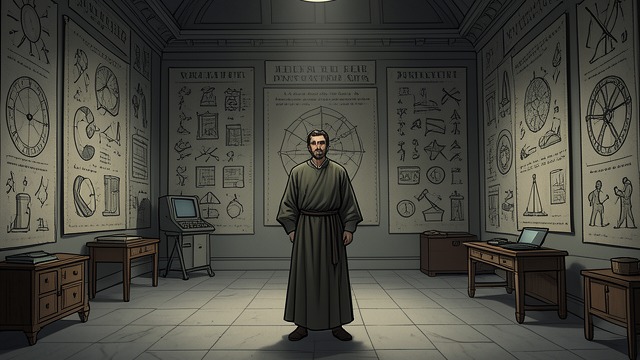
Connecting Disciplines
Shared Forms
The Game relates music, mathematics, language, and other fields through symbolic patterns. It imagines culture as an interconnected whole.
Limitation
Its universality can become a closed world of abstractions. Knecht’s story tests whether synthesis can remain connected to living realities.
History Enters Castalia
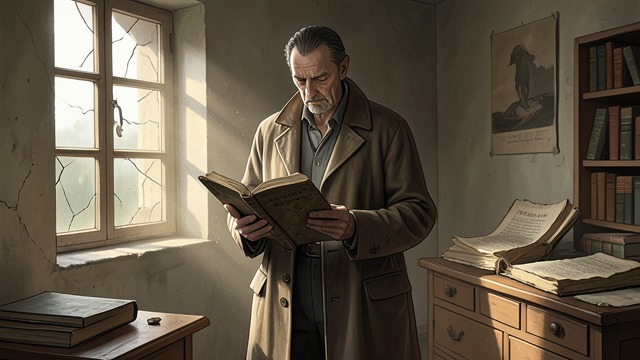
A Challenge to Timelessness
Jacobus’s Lesson
Father Jacobus insists that real history contains power, suffering, and irreducible events. Castalian intellectual history alone cannot explain society.
Knecht’s Learning
Knecht accepts that institutions are made by history and can be undone by it. This awareness changes service from simple preservation into responsible engagement.
The Next Renewal
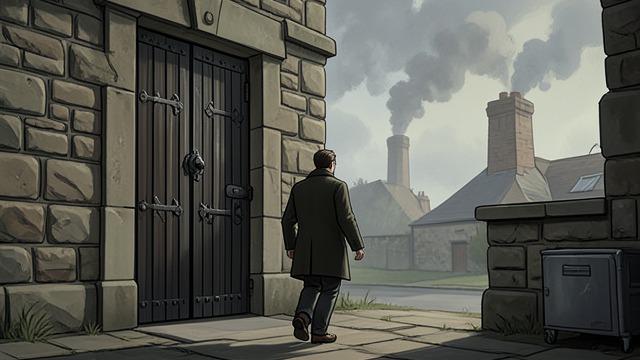
Preservation Through Change
Refusal
Knecht believes Castalia’s isolation threatens its future, but the Board refuses his proposed reassignment. He leaves rather than let warning become passive assent.
Uncertain Legacy
His action may renew service outside the Province, or be judged desertion. The novel leaves cultural survival as a responsibility rather than a guaranteed outcome.
In the pre-Castalian Age of the Feuilleton
After the wars that precede Castalia
As the Glass Bead Game develops across generations
During Knecht’s Mariafels years
In the final exchange between Knecht and Alexander
