
Ordinary Life Against Imagination
The Glass MenagerieThis flow contrasts the family’s practical obligations with their attempts to imagine lives beyond the apartment.
increasing Bearing strength in each event
 decreasing
Bearing strength in each eventdecreasingThe Warehouse and the Dream
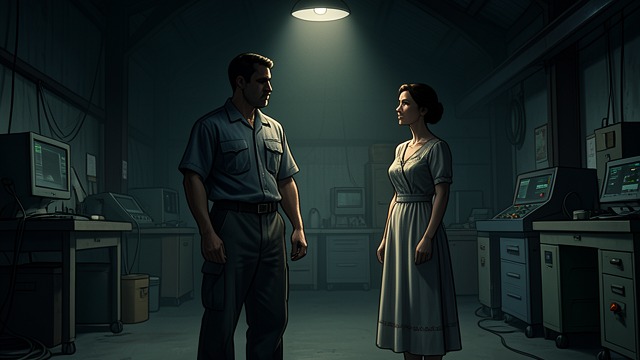
The Warehouse and the Dream
Work as Necessity
Tom’s job pays for the household but offers little adventure or creative fulfillment. Amanda sees employment as security; Tom sees it as a life narrowing around him.
Two Measures of Survival
Their disagreement is not simply about ambition. Each understands survival differently: Amanda fears material collapse, while Tom fears the disappearance of his own future.
The Dream of a Career
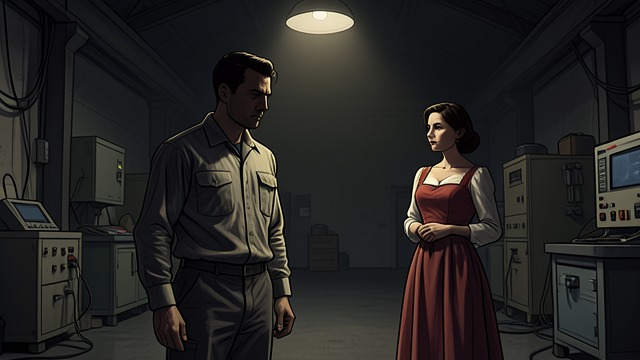
The Dream of a Career
A Rejected Routine
Tom describes the warehouse as a place where his instincts and imagination have no room. His anger comes from imagining decades of repetition rather than a single unpleasant shift.
Amanda’s Practical Reply
Amanda points to other young people who also work in warehouses and offices. The exchange pits her appeal to ordinary endurance against his belief that ordinary life can become unbearable.
Laura’s Education Versus Retreat
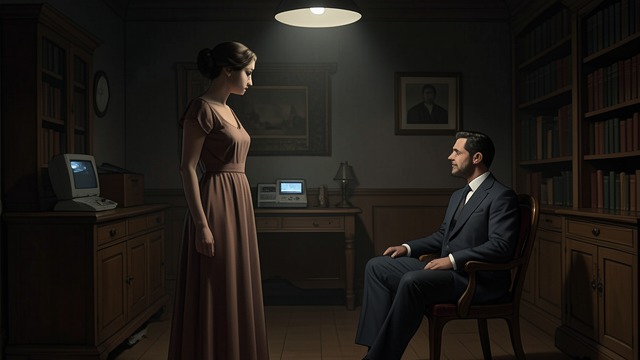
Laura’s Education Versus Retreat
A Practical Route
Amanda expects business college to prepare Laura for work and independence. The course represents a practical answer to a future that otherwise appears uncertain.
An Unlivable Demand
Laura’s anxiety makes that route impossible, and she chooses solitary walks instead. The conflict reveals the distance between a plan that makes sense economically and a life Laura can actually endure.
The Caller as Practical Hope
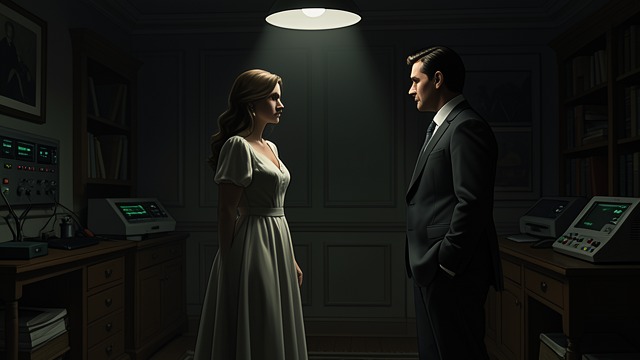
The Caller as Practical Hope
A Proposed Solution
Amanda asks Tom to introduce Laura to a suitable young man. She treats marriage as a practical provision, not only a romantic dream.
A Person Reduced to Possibility
Before Jim arrives, the family imagines what he might provide. Their expectations expose the pressure placed on a stranger to repair problems he does not know exist.
The Unresolved Ending
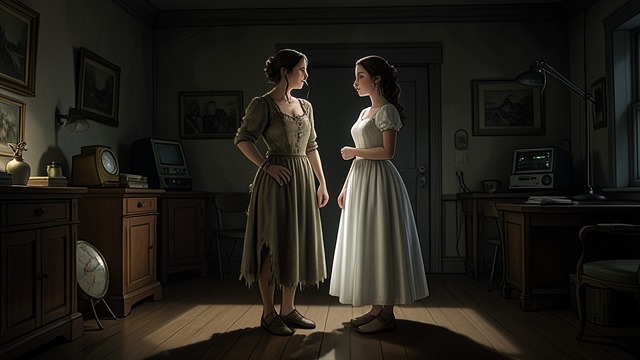
The Unresolved Ending
Departure Without Security
Tom leaves, and Laura remains with Amanda after the failed visit. No new job, marriage, or practical support has appeared to settle the family’s difficulties.
Imagination Persists
Tom’s memory gives the ending poetic shape, but it does not solve the material problems he left behind. The play holds emotional understanding beside an unresolved reality.
During Tom’s early exchanges with Amanda
During Tom’s argument about his work
When Amanda confronts Laura about college
When Amanda asks Tom to find a caller
In the final minutes of the play
