
The Public Emergence of the Play
The Glass MenagerieThis flow follows the play from uncertain production to acclaim and considers how theatrical innovation shaped its reception.
increasing Bearing strength in each event
 decreasing
Bearing strength in each eventdecreasingThe Chicago Risk
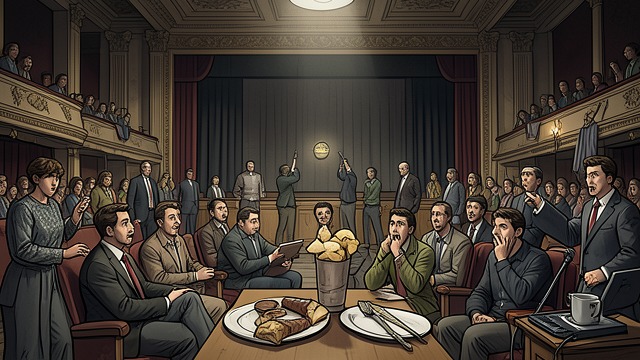
The Chicago Risk
A Troubled Opening
The production begins at the Civic Theatre in Chicago after last-minute difficulties and concern about the performance. The playwright remains uncertain as the curtain approaches.
A Break from Failure
The opening stands against the memory of an earlier disastrous production of another play. This time, the material and performances find an audience, changing the playwright’s prospects.
Laurette Taylor’s Performance
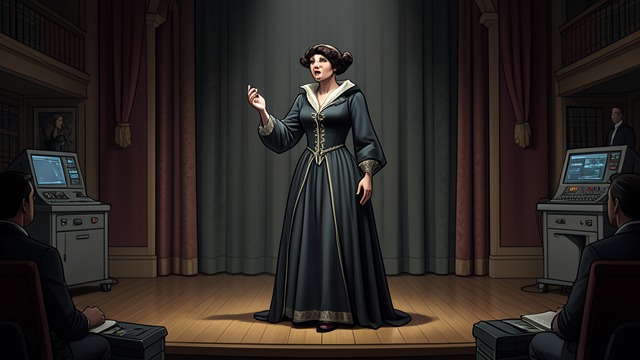
Laurette Taylor’s Performance
A Captivating Amanda
The introduction emphasizes the power of Laurette Taylor’s performance as Amanda. Her presence helps make the Wingfield family’s pathos immediate to audiences.
Simplicity on Stage
The production could rely on the actors rather than an elaborate visual apparatus. The performance helped establish the play’s emotional force before its wider theatrical success.
The Move to Broadway
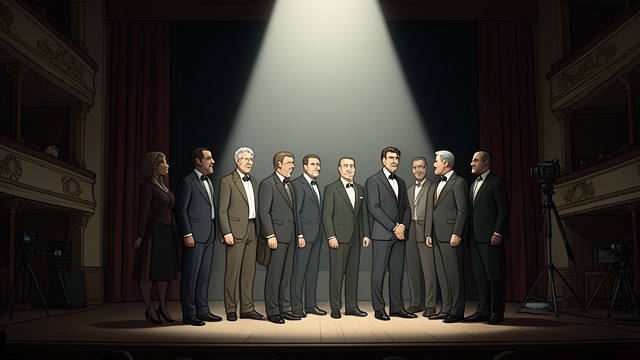
The Move to Broadway
New York Debut
After the Chicago reception, the production moves to the Playhouse Theatre in New York City. The transfer gives the play a larger public and critical platform.
A Lasting Run
The Broadway production runs for 563 performances, turning a fragile beginning into a major success. The play’s intimate family story proves capable of sustaining wide attention.
A New Theatrical Voice
A New Theatrical Voice
Form and Feeling
The play’s poetic language, symbolic staging, and memory structure distinguish it from straightforward realism. Its dramatic method offers audiences a different way to experience domestic conflict.
Recognition Arrives
Critics and theatre audiences respond to the playwright as a new force on the American stage. Public acclaim changes his circumstances as sharply as it changes his artistic reputation.
A Success Remembered
A Success Remembered
The Turning Point Recalled
The playwright later describes the opening as a moment that lifted him from virtual obscurity into sudden prominence. Retrospection makes the success itself part of the story.
Triumph with a Cost
The acclaim becomes the occasion for his essay about spiritual dislocation and the dangers of comfort. The public breakthrough thus has a second narrative: the struggle to remain an artist afterward.
December 26, 1944
During the early Chicago performances
March 31, 1945
After the Broadway premiere
Three years after the Chicago opening
